Introduction
With so many diet plans available—keto, intermittent fasting, low-carb—it’s easy to feel overwhelmed.
The biggest mistake people make?
👉 Following a diet that doesn’t match their body, lifestyle, or goals.
The truth is: there is no one-size-fits-all diet.
In this guide, you’ll learn how different diet plans work and how to choose the best one for sustainable results.
1. What is a Diet Plan?
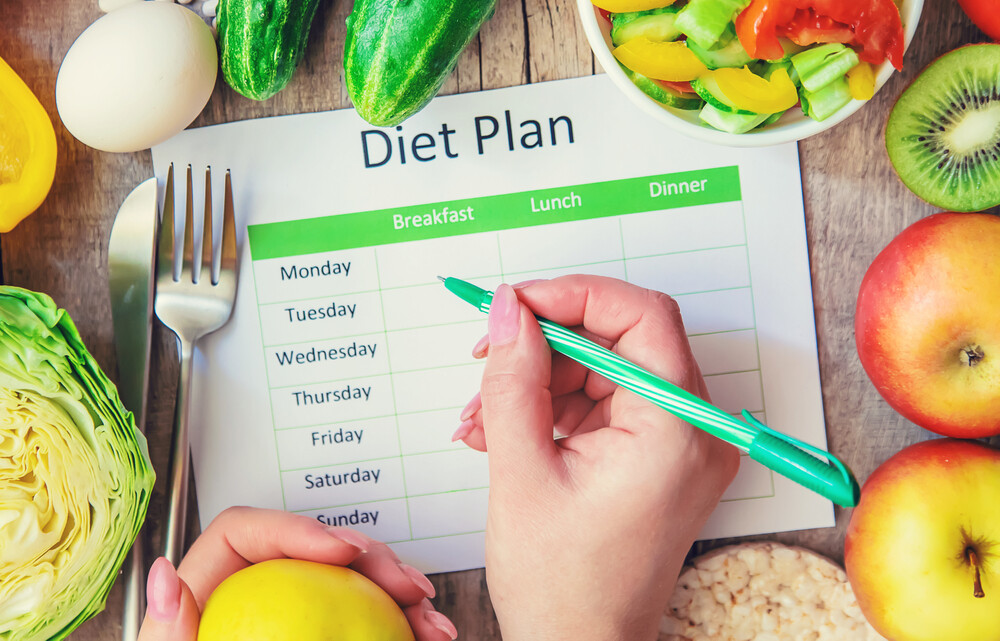
A diet plan is a structured approach to eating designed to achieve specific goals such as:
- Weight loss
- Muscle gain
- Improved health
- Disease management
The key is not restriction—but balance and consistency.
2. Most Popular Diet Plans Explained
a) Calorie Deficit Diet
The most effective and science-backed approach for weight loss.
- Eat fewer calories than you burn
- Flexible food choices
- Sustainable long-term
👉 Best for: Beginners and long-term fat loss
b) Low-Carb Diet
Reduces carbohydrate intake and focuses on protein and fats.
- Helps control blood sugar
- Reduces appetite
👉 Best for: Quick weight loss and insulin control
c) Keto Diet
A strict low-carb, high-fat diet that puts your body into ketosis.
- Burns fat for energy instead of carbs
- Rapid weight loss
👉 Best for: Short-term fat loss (but hard to maintain)
d) Intermittent Fasting
Focuses on when you eat, not just what you eat.
Common method:
- 16 hours fasting / 8 hours eating window
👉 Benefits:
- Improves metabolism
- Helps fat burning
e) Balanced Diet
Includes all food groups in proper proportions.
- Carbs, protein, fats, vitamins
- Most sustainable option
👉 Best for: Overall health and long-term lifestyle
3. How to Choose the Right Diet Plan
Before selecting a diet, ask yourself:
- What is my goal? (Weight loss, muscle gain, health)
- Can I follow this long-term?
- Does it fit my daily routine?
👉 The best diet is the one you can stick to consistently.
4. Common Diet Mistakes to Avoid
❌ Skipping meals
❌ Cutting all carbs or fats
❌ Following extreme restrictions
❌ Ignoring portion sizes
These mistakes often lead to:
- Fatigue
- Nutrient deficiencies
- Weight regain
5. Importance of Portion Control
Even healthy foods can cause weight gain if eaten in excess.
Simple trick:
- Half plate: vegetables
- Quarter: protein
- Quarter: carbs
Balanced portions = better results.
6. Hydration is Part of Your Diet
Many people ignore this, but water plays a key role in:
- Digestion
- Metabolism
- Appetite control
👉 Aim for 6–8 glasses daily (or more if active).
7. Customize Your Diet Plan
Your diet should match your:
- Age
- Activity level
- Health conditions
- Preferences
👉 A personalized approach always beats a generic one.
Conclusion
Diet plans are tools—not magic solutions.
The real success comes from:
✔ Consistency
✔ Balance
✔ Smart choices
Instead of chasing trends, focus on building a plan that works for your life.