Introduction
Good health starts with simple daily habits. A healthy digestive system helps your body absorb nutrients. A strong immune system protects you from illnesses. How to Improve Digestion and Immunity Naturally, is possible by small changes in lifestyle, you can improve digestion and immunity naturally.
A healthy gut supports:
- Strong immunity
- Better digestion
- Improved mood
- Even weight management
But poor diet, stress, and lifestyle habits can disrupt your gut microbiome, leading to issues like bloating, fatigue, and weakened immunity.
What Is Gut
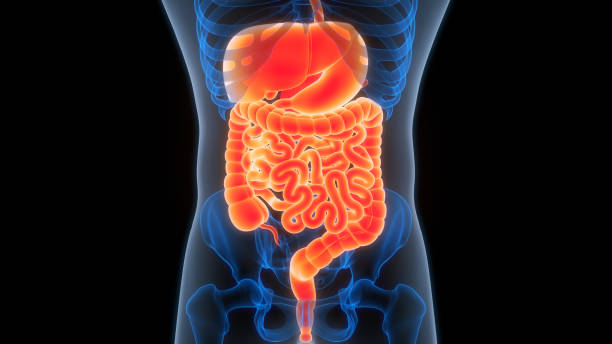
Gut is the gastrointestinal tract, a long tube-like system in the body that breaks down food, absorb nutrients, and removes waste. It is include the stomach, small intestine, and large intestine.
- Stomach : HCl Acid and juices (Pepsin, Gastric Lipase, Mucus, Intrinsic factor) are present in the stomach that helps to breakdown food into smaller pieces.
- Small Intestine: It works for absorption of most of the vitamins and nutrients from your food.
- Large Intestine: It absorbs the water and turn leftover food waste into stool. It is also called colon, which is the largest part of the large intestine.
Eat a Balanced Diet
A healthy diet plays a critical role in the health and well-being of both individuals and populations. An unhealthy diet is a major risk factor for many diseases. Eating a healthy diet helps prevent malnutrition and reduces the risk of long-term diseases such as diabetes, heart disease, stroke, and certain types of cancer. Healthy eating habits should be encouraged from childhood to promote lifelong health. A healthy diet should also be safe to eat and free from harmful microorganisms and chemical contaminants.
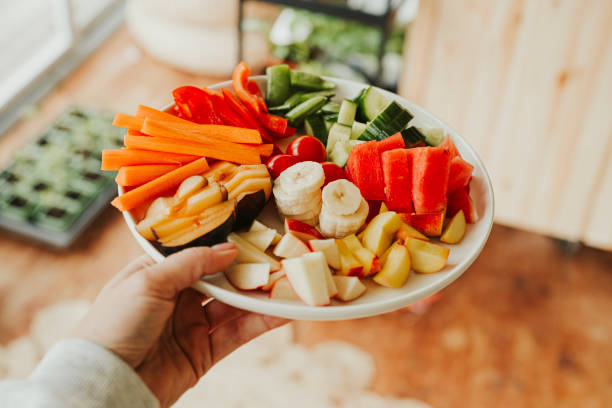
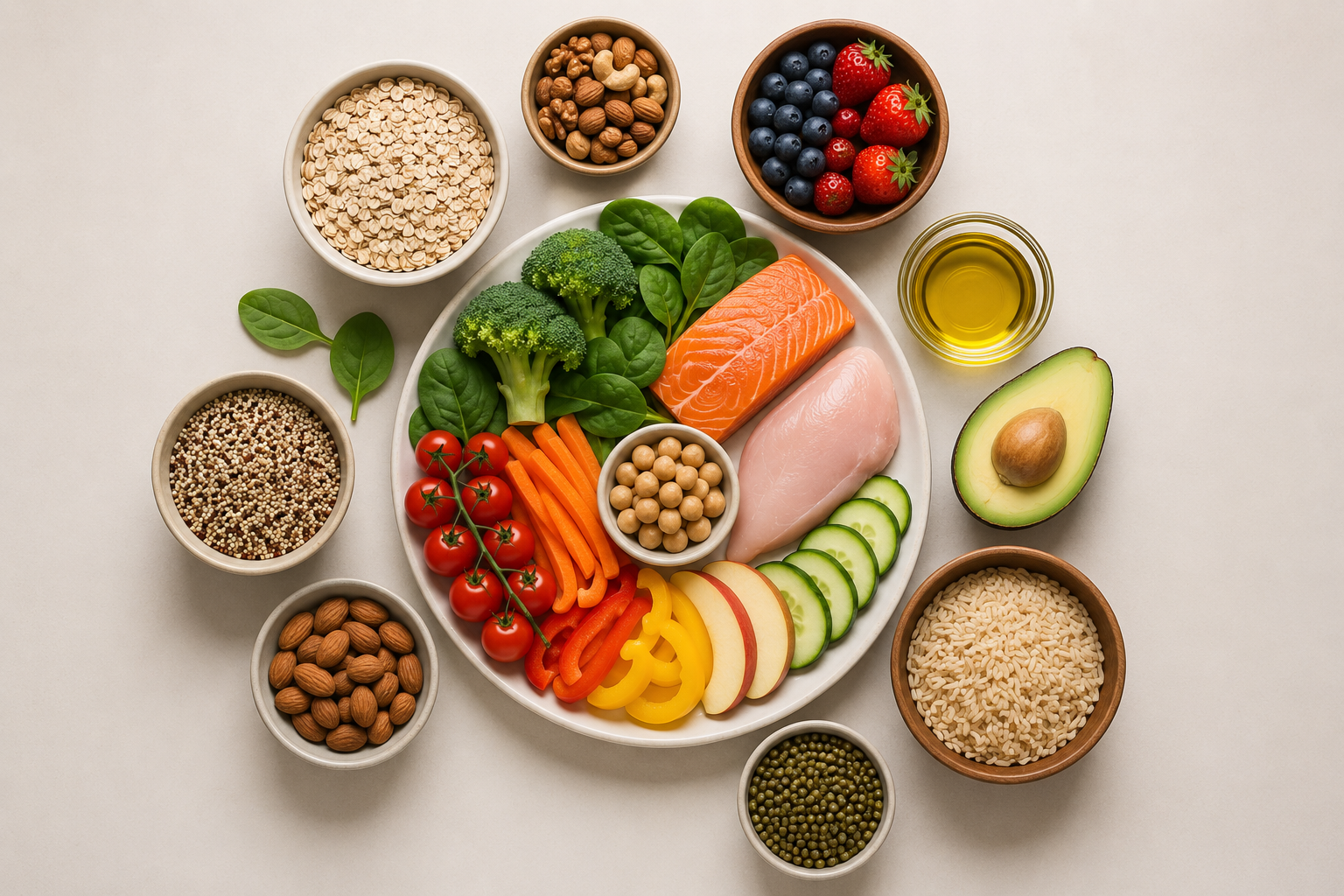
A nutritious diet provides the vitamins, minerals, and fiber your body needs. Fill your plate with fruits, vegetables, whole grain, lean proteins, healthy fats, and legumes. These foods nourish your digestive system and strengthen your immune defenses.
Include Fiber-Rich Foods
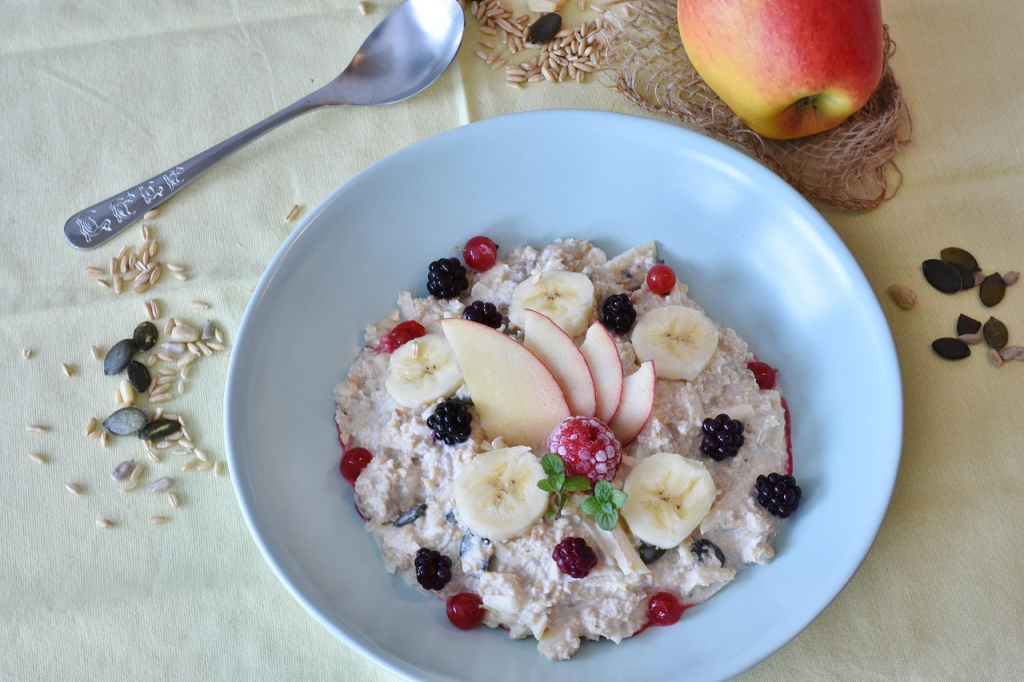
Dietary fiber supports healthy digestion by promoting regular bowel movements and feeding beneficial gut bacteria. Adults should consume 25–38 grams of fiber per day. In general, women need about 25 grams of fiber daily, while men need about 38 grams. Start your day with a high-fiber breakfast whenever possible. You should also replace refined carbohydrates with whole grains to increase your daily fiber intake.Good sources include oats, brown rice, beans, lentils, apples, pears, berries, and leafy green vegetables.
Stay Hydrated
Drinking enough water is essential for digestion. Water helps break down food, help nutrient absorption, and prevents constipation. Aim to drink water consistently throughout the day, especially in hot weather or after physical activity. Proper hydration is essential for overall health. It helps reduce the effects of stress, prevents constipation, supports healthy digestion, maintains the body’s fluid balance, and improves gut functions.You should drink daily 2.5 to 3.5 liter per day.
Add Probiotic and Prebiotic
Your gut contains beneficial bacteria that plays an important role in digestion and immunity. Probiotics are beneficial microorganisms that support the normal functioning of the digestive system. The human body contains trillions of living microorganisms that help perform many important body functions.
Not all microorganisms are the same. Some can be harmful and produce toxins, while others are beneficial. Probiotics are beneficial microorganisms that help protect the body against harmful microbes and support the immune system. Some probiotics are also available as dietary supplements. They help maintain a healthy balance of microorganisms in the gut and support overall gut health.Yogurt with live cultures, fermented foods and kefir provide probiotic.

Prebiotics are non-digestible dietary fibers that are not digested in the upper digestive tract and reach the colon, where they become food for beneficial bacteria. As these beneficial bacteria grow, they help maintain a healthy gut and support overall health. They also produce compounds that help create an acidic environment in the colon, which promotes the growth of beneficial bacteria. Garlic, onion, bananas, oats, and asparagus provide prebiotics that help these healthy bacteria grow.
Exercise Regularly
Regular physical activity helps food move through the digestive tract and supports a healthy immune system. activities such as brisk walking, yoga, cycling, stretching, or strength training can improve overall healthy when performed consistently. A daily 20–30 minute walk can help support healthy digestion. For the best results, do physical activity 30–60 minutes before a meal or 30–60 minutes after eating, depending on your comfort and the intensity of the activity.

Get Enough Sleep
Quality sleep allows your body to recover and helps regulate immune function. Most adults should aim for 7-9 hours of sleep each night to support physical and mental healthy. Previous research suggests that getting too little sleep can disrupt the balance of microorganisms in the gut. This imbalance may affect gut health and reduce the number of beneficial bacteria, which can influence overall health.
Manage Stress
The brain and the gut are closely connected and constantly communicate with each other. They send signals back and forth to help regulate digestion, immune function, hormone signaling, and other important body functions. This two-way communication is known as the gut-brain axis. This may help the body respond to stress more effectively and contribute to better mental well-being. Long-term stress can negatively affect both digestion and immunity. Relaxation techniques such as deep breathing, meditation, prayer, spending time outdoors, or engaging in hobbies can help reduce stress level.

Limit Processed Foods
Epidemiological studies suggest that a high intake of highly processed foods is associated with an increased risk of gut-related diseases, including inflammatory bowel disease (IBD), colorectal cancer, and irritable bowel syndrome (IBS). Highly processed foods, sugary drinks, and excessive fast food may disrupt gut health. Replacing these with fresh, minimally processed foods supports better digestion and long-term health.
Avoid Smoking and Limit Alcohol
Smoking and excessive alcohol intake can damage the digestive system and weaken the immune response. Alcohol consumption and smoking can negatively affect the gut microbiome and are associated with several gastrointestinal disorders. These habits increase the risk of gastric cancer. Alcohol can also disrupt the balance of beneficial bacteria in the small intestine and colon, which may damage the intestinal lining and contribute to a leaky gut. In addition, excessive alcohol consumption is associated with alcohol-related liver disease, while poor metabolic health is linked to non-alcoholic fatty liver disease (NAFLD) and other related disorders.
Avoiding alcohol and smoking can help maintain a healthy gut microbiome, protect the intestines, and support overall digestive health. Choosing healthier habits helps protect your body over time.
Conclusion
Improve Gut Health and Immunity Naturally. Maintaining a healthy gut is essential for overall health and well-being. A balanced diet rich in fiber, prebiotics, and probiotics, along with proper hydration, regular physical activity, adequate sleep, and effective stress management, helps support a healthy gut microbiome. At the same time, limiting highly processed foods, alcohol, and smoking can help protect the gut and reduce the risk of digestive disorders. By following these healthy lifestyle habits, you can naturally improve your gut health and support better digestion, immunity, and overall well-being.
References
- Gibson, G. R., & Roberfroid, M. B. (1995). Dietary modulation of the human colonic microbiota: Introducing the concept of prebiotics. The Journal of Nutrition, 125(6), 1401–1412.
- Hill, C., et al. (2014). Expert consensus document: The International Scientific Association for Probiotics and Prebiotics consensus statement on probiotics. Nature Reviews Gastroenterology & Hepatology, 11(8), 506–514.
- Cryan, J. F., et al. (2019). The microbiota–gut–brain axis. Physiological Reviews, 99(4), 1877–2013.
- Makki, K., Deehan, E. C., Walter, J., & Bäckhed, F. (2018). The impact of dietary fiber on gut microbiota in host health and disease. Cell Host & Microbe, 23(6), 705–715.
- World Health Organization. (2020). Healthy diet.
- National Institutes of Health, Office of Dietary Supplements. (2023). Probiotics Fact Sheet for Health Professionals.
- National Institutes of Health, Office of Dietary Supplements. (2023). Dietary Fiber Fact Sheet for Health Professionals.
- National Institute of Diabetes and Digestive and Kidney Diseases (NIDDK). (2023). Digestive Diseases.
- World Health Organization (WHO). (2020). Healthy diet. Available at: https://www.who.int/news-room/fact-sheets/detail/healthy-diet� (Accessed: 26 July 2026).
- National Institutes of Health, Office of Dietary Supplements (NIH ODS). (2023). Probiotics – Fact Sheet for Health Professionals. Available at: https://ods.od.nih.gov/factsheets/Probiotics-HealthProfessional/� (Accessed: 26 July 2026).