
What Is Inflammation?

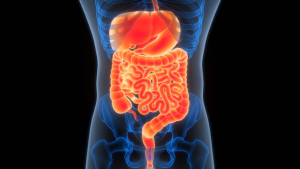
Inflammation is a protective response of the body that helps respond to injury or infection. When germs enter the body or tissues are damaged, the immune system reacts against them. Inflammation helps indicate that an injury or infection is present in a part of the body and that the body is working to repair it. When a virus or other germs enter the body, or when the body experiences an injury, the immune system becomes active. In this article we’ll explain what an anti-inflammatory diet is, how certain foods may influence inflammation?
Various inflammatory and chemical messengers called cytokines play a role in this process. They help direct the immune response to the affected area and help the body deal with harmful germs and repair damaged tissue. During inflammation, symptoms such as pain, swelling, warmth, and itching may occur in the affected area. These symptoms indicate that the body is responding to an injury or infection. Not all of these symptoms are necessarily present with every type of inflammation. There are two major types of inflammation: Acute inflammation and Chronic inflammation.
Acute and Chronic Inflammation
There are two main types of inflammation: acute inflammation and chronic inflammation. Acute inflammation can occur after a severe injury or during an infection. This process usually develops over a short period of time.
In contrast, chronic inflammation can continue for a long time if the underlying process continues. Over time, persistent inflammation can lead to more permanent damage. Some diseases, such as rheumatoid arthritis, involve chronic inflammation.
In both types of inflammation, the immune system plays an important role. However, if inflammation becomes too severe or continues for too long, it may cause damage to healthy parts of the body.
The Relation Between Diet and Inflammation

The foods we eat every day can affect our immune system and inflammation in the body. If our diet contains large amounts of highly processed foods, refined carbohydrates, and unhealthy fats, it may contribute to processes associated with inflammation.
Sugary Foods and Refined Carbohydrates
Consuming too many sugary foods and sugary drinks can cause blood sugar levels to rise quickly. Similarly, refined carbohydrates such as white bread, pasta, and white rice can also cause blood glucose levels to rise quickly. If these foods are consumed frequently and in large amounts, they may negatively affect overall metabolic health and may be associated with low-grade inflammation in the body.
Trans Fats and Saturated Fats
Trans fats are particularly harmful to health. They have been associated with inflammation in the body and an increased risk of heart disease. The relationship between saturated fats and inflammation is more complex and can depend on the overall dietary pattern. However, highly fried and processed foods, including foods containing margarine, are generally not considered healthy choices.
Processed Meat and Inflammation
Processed meats often contain added preservatives, salt, and other ingredients. Higher consumption of processed meat has been associated with a greater risk of several health problems and may also be linked with chronic inflammation. However, it is not correct to say that these foods directly cause chronic inflammation or directly affect the intestines.
Overall Dietary Pattern
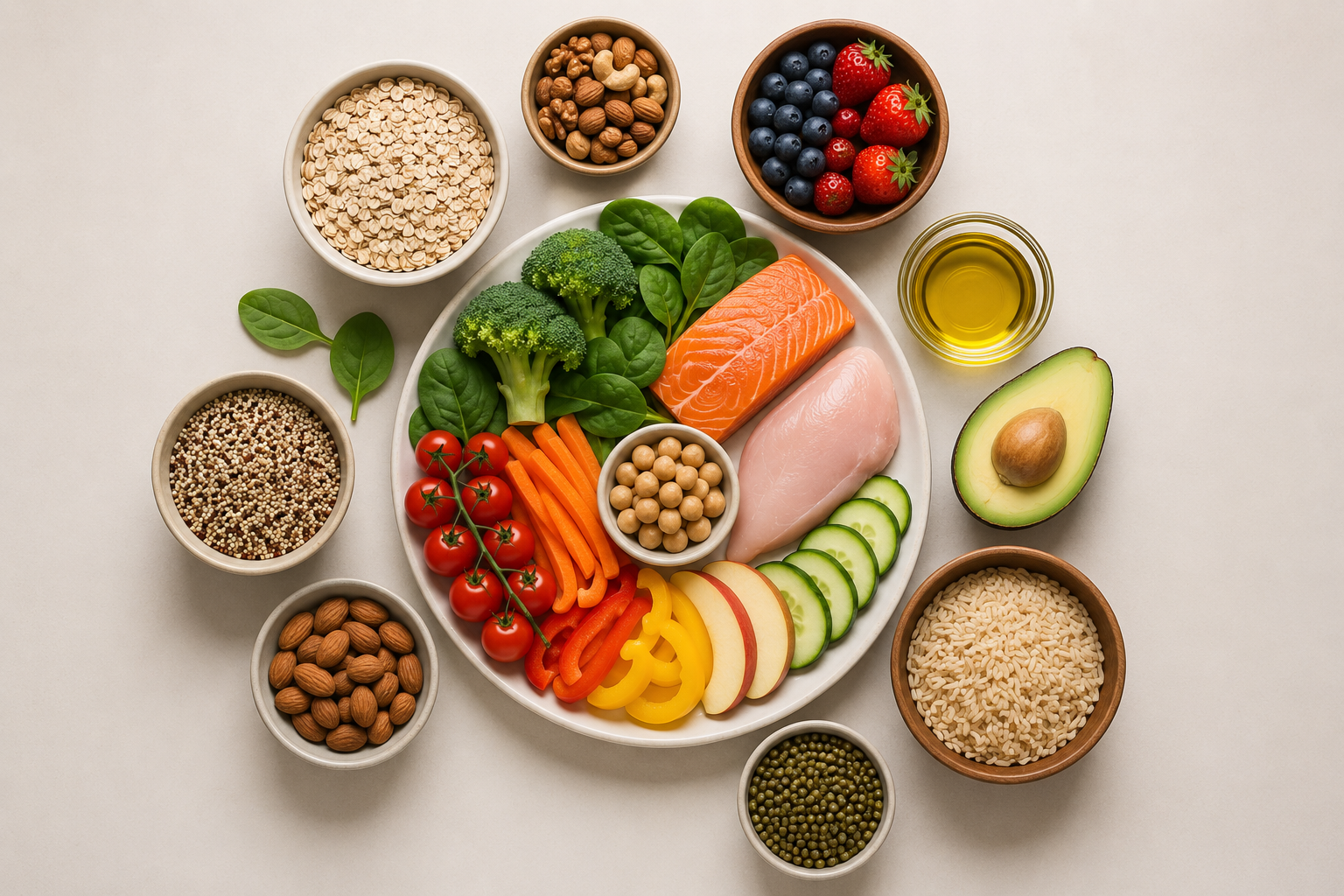
Overall, a single food does not necessarily cause inflammation. The complete dietary pattern is much more important. A diet that contains high amounts of highly refined sugars, added sugars, processed foods, refined carbohydrates, and unhealthy fats may have a negative effect on overall health and the body’s inflammatory balance. In contrast, vegetables, whole grains, legumes, nuts, seeds, and other nutrient-rich foods can contribute to a healthier dietary pattern and support a better inflammatory balance.
FODMAP Diet and Inflammation
The effect of FODMAPs on inflammation should not be described in the same way as highly processed foods, because FODMAPs are a group of fermentable carbohydrates (Oligosaccharides, Disaccharides, Monosaccharidesand Polyols) and their effects can vary depending on the individual and the context of the diet.
Best Anti-Inflammatory Foods

The following foods can be presented as points, with the food names and their details explaining how they may help reduce inflammation.
Omega-3 Fatty Acids
Omega-3 fatty acids have powerful anti-inflammatory properties. They are found in fish such as salmon, herring, mackerel, sardines, and tuna. We can get omega-3 fatty acids by eating fish or by using fish oil. If someone is vegetarian, they can get plant-based omega-3 fatty acids from nuts and seeds and canola oil.
Vitamin C
Vitamin C contains ascorbic acid, which is a powerful antioxidant. Vitamin C is regularly found in citrus fruits and vegetables. Berries, strawberries, and raspberries can also have anti-inflammatory effects.
Fatty Fish and Broccoli
Fatty fish and broccoli may help reduce the risk of heart disease and some cancers. Broccoli contains sulforaphane, an antioxidant that may help reduce inflammation by reducing levels of cytokines and nuclear factor kappa B. These molecules are involved in inflammation in the body.
Green Tea and Matcha
Green tea and matcha are drinks that are considered healthy beverages. According to research, green tea contains EGCG, which has been studied for its potential effects on heart health, cancer, Alzheimer’s disease, obesity, and inflammation. EGCG is present in green tea and may have anti-inflammatory effects.
Avocado
Avocado contains potassium, magnesium, and fiber, and it is also good for heart health. It also contains healthy fats, including some omega-3 fatty acids. According to research in 2019, 51 adults with excess weight consumed avocado for 12 weeks. The study examined inflammation markers, including interleukin-1 beta and C-reactive protein, and found a reduction in some inflammatory markers.
Peppers
Bell peppers and chili peppers contain vitamin C and can have anti-inflammatory effects. Capsaicin, which is found in chili peppers, may also help reduce inflammation.
Mushrooms
Mushrooms are found around the world. They are low in calories and contain selenium, copper, and vitamin D. These nutrients may help reduce inflammation.
Turmeric
Turmeric is a spice that is commonly used in food and in the kitchen. It may help reduce inflammation, especially in conditions related to arthritis and joints, and it has also been studied in relation to diabetes. According to a 2015 study, a decrease in inflammation was also observed in metabolic syndrome. If curcumin is combined with black pepper, it may be used to increase the availability of curcumin. Curcumin is obtained from turmeric, while the pepper is black pepper. Curcumin extracts from turmeric are also available as supplements.
Dark Chocolate and Cocoa
Dark chocolate and cocoa may affect endothelial cells, which are found in the lining of the arteries, and may help keep the arteries healthy. They may also have effects related to inflammation.
Olive Oil, Beans, Lentils
Olive oil, beans, lentils, leafy greens, and whole grains can all have anti-inflammatory effects.
Mediterranean Diet

The Mediterranean diet is high in fruits, vegetables, nuts, and whole grains. If we eat the right anti-inflammatory foods, they may help reduce the risk of diseases.
Conclusion
An anti-inflammatory diet can be an important part of a healthy lifestyle and may help support overall health.
Including a variety of anti-inflammatory foods can provide the body with important nutrients and antioxidants.
Foods such as fatty fish, berries, vegetables, turmeric, green tea, and whole grains can be included in a balanced diet.
Choosing a variety of nutritious foods is better than depending on one particular food.
A balanced eating pattern can also help support healthy weight management and overall well-being.
However, anti-inflammatory foods should not be considered a treatment or cure for any disease.
It is important to maintain a balanced diet rather than relying on supplements or extracts without proper guidance.
People should also pay attention to portion sizes and their individual dietary needs.
If a person has a medical condition or takes medication, they should seek appropriate professional advice before making major dietary changes.
The main goal of an anti-inflammatory diet is to build healthy and sustainable eating habits.
With the right food choices and a balanced lifestyle, we can support our health while reducing factors associated with inflammation.
References
Harvard T.H. Chan School of Public Health – The Nutrition Source. Diet Review: Anti-Inflammatory Diet.
https://nutritionsource.hsph.harvard.edu/healthy-weight/diet-reviews/anti-inflammatory-diet/�
National Institutes of Health (NIH) – NHLBI. Anti-Inflammatory Diets May Reduce the Risk of Cardiovascular Disease.
https://www.nhlbi.nih.gov/news/2020/anti-inflammatory-diets-may-reduce-risk-cardiovascular-disease�
National Library of Medicine (NCBI). Anti-Inflammatory Diets.
https://www.ncbi.nlm.nih.gov/books/NBK597377/�
American Heart Association. What is the Mediterranean Diet?
https://www.heart.org/en/healthy-living/healthy-eating/eat-smart/nutrition-basics/mediterranean-diet�
PubMed – National Library of Medicine. Anti-Inflammatory Diet in Clinical Practice: A Review.
https://pubmed.ncbi.nlm.nih.gov/28350517/�