
Introduction
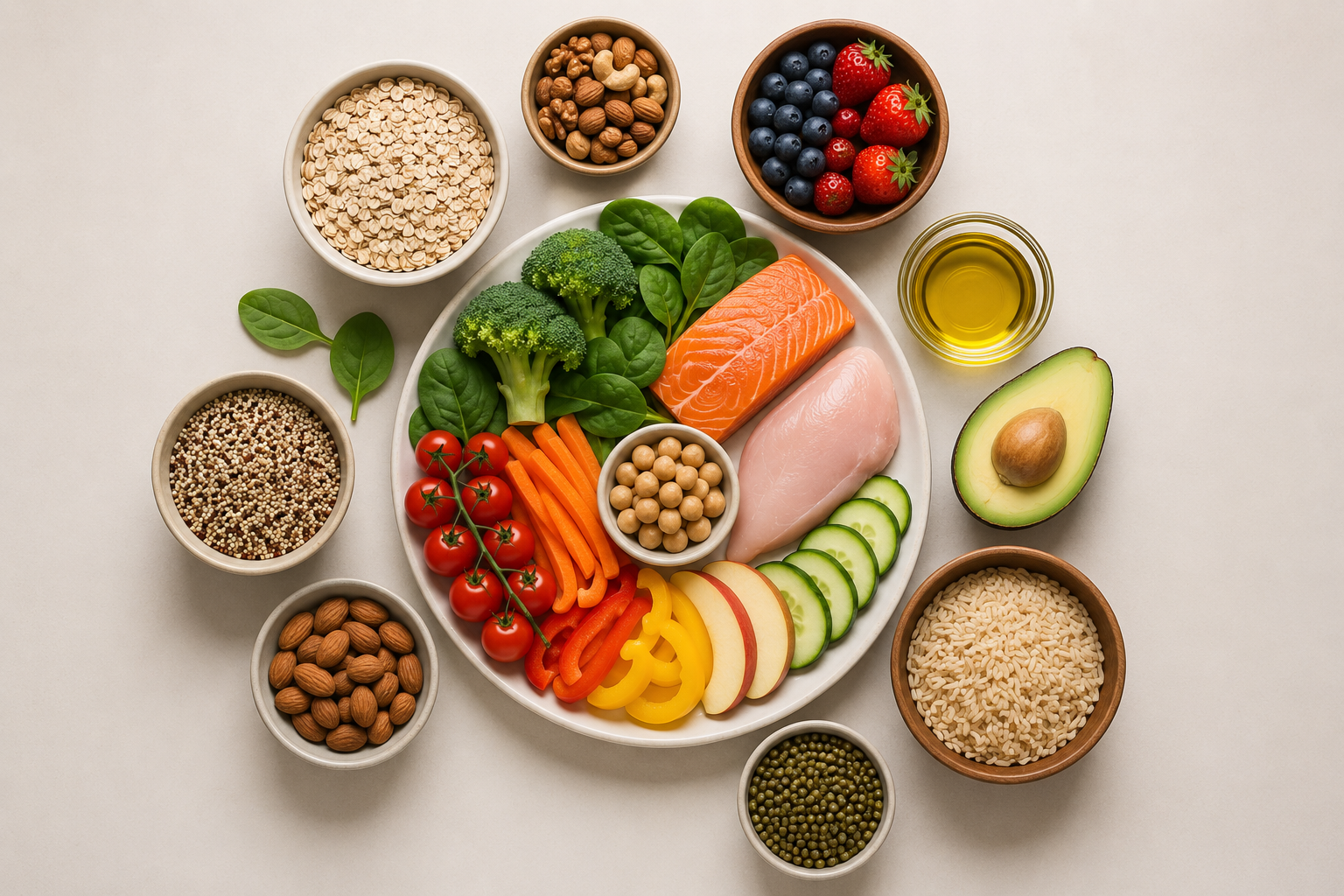
In this post we will explore about importance of nutrition. Nutrition is the foundation of human health.It helps the body needs to survive, grow, repair tissues and ward of disease. Nutrition is the foundation of good health and overall well-being. It provides the body with essential nutrients and a balanced diet also helps to strengthen the immune system, maintain healthy weight, and reduce the risk of many chronic diseases. Staying hydrated is an essential part of maintaining overall health. Understanding the Basics of Nutrition is the first step toward making healthiest food choices and building long-term healthy eating habits.
What is Nutrition?

Nutrition is a branch of science that is related to food. It provides knowledge about nutrition and nutrients and explains how the body uses food. Nutrition studies the process of food intake, digestion, absorption, metabolism and utilization in the body.
What are Nutrients?
Nutrients are chemical compounds found in food that are essential for the human body. Our body obtains these nutrients from the food we eat.Nutrients essential for the body’s growth, tissue repair, and the maintenance of overall health. A balanced and nutritious diet helps the body function properly and supports physical and mental well-being.
There are two main categories of nutrients: Macronutrients and Micronutrients

Macronutrients
Macronutrients are the nutrients that the body requires in larger amounts. They are essential for daily life because they provide energy and support growth, tissue repair, and other vital body functions. The three main macronutrients are carbohydrates, proteins, and fats.
Carbohydrates
Carbohydrates commonly called carbs. They are the body’s main source of energy. Just as a car needs fuel to run, our body needs carbohydrates to perform everyday activities such as working, walking, exercising, or studying. When we eat carbohydrates rich food our body breaks down them into sugar (glucose). This sugar enters into the bloodstream and provides energy to the body cells and brain.
Types of Carbohydrates
- Complex Carbohydrates
- Simple Carbohydrates
Simple Carbohydrates
Simple carbohydrates quickly digested and provide fast energy. Natural sources like fruits and milk are healthy, but foods high in added sugar should be eaten in moderation. For example: fruits, milk, sugar, soft drinks, cakes, biscuits, and candies.
Healthy Tip: Try to choose whole grains, vegetables, and fruits more, and limit foods with added sugar for better health.
Proteins
Proteins are the building blocks of the body. They help our body growth, repair damaged tissues, and keep to strong. Our muscles, skin, hair, and nails all contain proteins. when we eat protein rich food, our body breaks them into amino acids. These amino acids help to build new tissues and repair damaged ones.
Why Are Proteins Important?
- Help build and repair muscles.
- Support healthy skin, hair, and nails.
- Help wounds heal faster.
- Strengthen the immune system by helping the body make antibodies.
Source Of Proteins
Protein comes from both animal and plants.
Animal source: Eggs, chicken, fish, meat, milk, yogurt,and cheese.
Plant source: Lentils, beans, chickpeas, soybeans, nuts, tofu, and seeds.
Fats
Fats are important nutrients that gives the body energy and helps it work properly. When the body needs extra energy, it can use stored fat as source of fuel. Fats also help to protect our organs, keep the body warm, and support brain health.
Types of Fats
- Unsaturated Fats (Healthy Fats)These fats are good for the heart and overall health when eaten in the right amount. Source: Olive oil, nuts, seeds, avocados, and fatty fish.
- Saturated Fats: Eating too much of these fats may increase the risk of heart disease, so they should be limited. Sources: Fried foods, processed foods, cakes, biscuits, and foods made with trans fats.
Why are Fats Important?
- Provide energy.
- Help the body absorb vitamins A, D, E, and K.
- Protect important organs.
- Support brain health.
- Help keep skin and hair healthy.
Don’t avoid fats completely. Choose healthy fats more often and limit foods which are high in saturated and trans fats.
Micronutrients
Micronutrients are requires in small amount but they play a vital role to maintain immunity, bone health, brain function, muscle, skin, blood circulation, and nerves. Without them our body cannot work properly.
Micronutrients mainly include vitamins and minerals. Our bodies cannot produce most of them in sufficient amounts, so we need to get them from the foods we eat every day. we can also take them from the supplements.
Vitamins

Vitamins are organic nutrients that help the body grow, function properly and stay healthy. They are divided into to main groups: Water–soluble vitamins, and Fat–soluble vitamins.
- Water-soluble vitamins: such as Vitamin C and the B-complex vitamins, which are not stored in the body for long and need to be consumed regularly.
- Fat-soluble vitamins: These vitamins included Vitamins A, D, E, and K which can be stored in liver and body fat.
Vitamins support many important body functions, including maintain healthy vision, supporting the immune system, promote healthy skin, and help the nervous system function, and assist the body convert food into energy. They are found in a variety of foods such as fruits, vegetables, eggs, dairy,and whole grains. Vitamin is unique because the body can also produce it when the skin is exposed to sunlight.
Minerals: Building and Supporting the Body

Minerals are inorganic nutrients that naturally occur in soil and water. Plants absorb these minerals and human obtain them by eating plant foods or animal products. Important minerals include Calcium, Iron, Zinc, Magnesium, Potassium, and Sodium.
Minerals are essential for building strong bones and teeth, producing healthy red blood cells, supporting normal muscle and nerve function, maintaining fluid balance, and helping the heart function properly, Good source of minerals are : dairy products, meat, fish, legumes, nuts, seeds, whole grains and leafy green vegetables.
Risk Of Micronutrients Deficiency
When the body does not get enough vitamins and minerals, it can lead to a range of health problems. This condition is often referred to as “hidden hunger” because a person may consume enough calories but still lack essential nutrients. Some common micronutrient deficiencies include:
- Iron deficiency: It can lead to anemia, causing fatigue, weakness, pale skin, dizziness,and poor concentration.
- Vitamin D Deficiency: May weaken bones, increase the risk of fractures, and in severe cases contribute to bone disorders such as rickets in children and osteomalacia in adults.
- Calcium Deficiency: Can reduce bone strength and increase the risk of osteoprosis over time.
- Vitamin A Deficiency: May cause vision problems, including night blindness, and can weaken the immune system.
- Vitamin C Deficiency: Can slow wound healing, reduce the body’s ability to maintain a healthy immune system, and in severe cases lead to scurvy.
- Zinc Deficiency: May impair wound healing, weaken immune system and affect normal growth and development in children.
- Iodine Deficiency: Can affect normal thyroid function and may lead to goiter or other thyroid-related problems.
What Does Research Say?
- According to the World Health Organization (WHO), more than 2 billion people worldwide suffer from one or more micronutrient deficiencies making “hidden hunger” a major global public health concern.
2.The National Institute of Health states that vitamins and minerals are essential for normal growth, immune function, energy metabolism, and maintaining overall health.
3. Micronutrients deficiencies remain a major global public health challenge. According to global research, approximately one in three people worldwide is affected by a deficiency in at least one essential micronutrients. The most common deficiencies involve iron, vitamin A, iodine, zinc, and folate which can negatively impact growth, immune function, cognitive development, and overall health. These deficiencies are especially common among children, women of reproductive age, and populations with limited access to diverse nutrient-rich foods.
conclusion
Good nutrition is the foundation of a healthy life. Every nutrients, it is carbohydrates, proteins, fats, vitamins, minerals or water, plays a unique role in keeping the body healthy and functioning properly. instead of following restrictive diets a balanced variety of whole, nutrient-rich foods every day. By understanding the basics of nutrition, you can build healthy habits that improve your energy, strengthen your immune system, reduce the risk of many chronic diseases in future.
Frequently Asked Questions (FAQs)
1. What is nutrition and why is it important?
Nutrition is how the body uses food for energy, growth, repair, and health. Good nutrition supports immunity and helps prevent disease.
2. What are the six essential nutrients?
The six essential nutrients are carbohydrates, proteins, fats, vitamins, minerals, and water.
3. What is the difference between macronutrients and micronutrients?
Macronutrients are needed in large amounts: carbohydrates, proteins, and fats. Micronutrients are vitamins and minerals needed in smaller amounts.
4. Why are carbohydrates important for the body?
Carbohydrates are the body’s main source of energy and fuel the brain and muscles.
5. Why are proteins essential for healthy eating?
Proteins build and repair tissues, support muscle growth, and help make enzymes and hormones.
6. Are all fats unhealthy?
No. Unsaturated fats are healthy, while saturated and trans fats should be limited.
7. Why are vitamins and minerals important?
They support immunity, bone health, brain function, growth, and healing.
8. What are the symptoms of micronutrient deficiency?
Common signs include fatigue, anemia, weak bones, poor immunity, and slow healing.
9. Can dietary supplements replace a balanced diet?
No. Supplements can help, but they should not replace a balanced diet.
10. What is a balanced diet?
A balanced diet includes fruits, vegetables, whole grains, lean proteins, healthy fats, and enough water.
References
- World Health Organization. (2024). Healthy diet. https://www.who.int/news-room/fact-sheets/detail/healthy-diet
- World Health Organization. (2023). Micronutrients. https://www.who.int/health-topics/micronutrients
- National Institutes of Health, Office of Dietary Supplements. (2024). Dietary Supplement Fact Sheets. https://ods.od.nih.gov/factsheets/list-all/
- U.S. Department Agriculture & U.S. Department of Health and Human Services. (2020). Dietary Guidelines for Americans, 2020–2025 (9th ed.). https://www.dietaryguidelines.gov/
- Food and Agriculture Organization of the United Nations. (2019). Sustainable healthy diets – Guiding principles. https://www.fao.org/
- Harvard T.H. Chan School of Public Health. (2024). The Nutrition Source. https://www.hsph.harvard.edu/nutritionsource/
- Bailey, R. L., West, K. P., Jr., & Black, R. E. (2015). The epidemiology of global micronutrient deficiencies. Annals of Nutrition and Metabolism, 66(Suppl. 2), 22–33.
- Gombart, A. F., Pierre, A., & Maggini, S. (2020). A review of micronutrients and the immune system—Working in harmony to reduce the risk of infection. Nutrients, 12(1), 236. https://doi.org/10.3390/nu1201023


6 Responses
A helpful guide for anyone who wants to learn the basics of healthy eating and the importance of proper nutrition.
Thank you for your valuable feedback, I’m glad you found this article helpful.