
Introduction
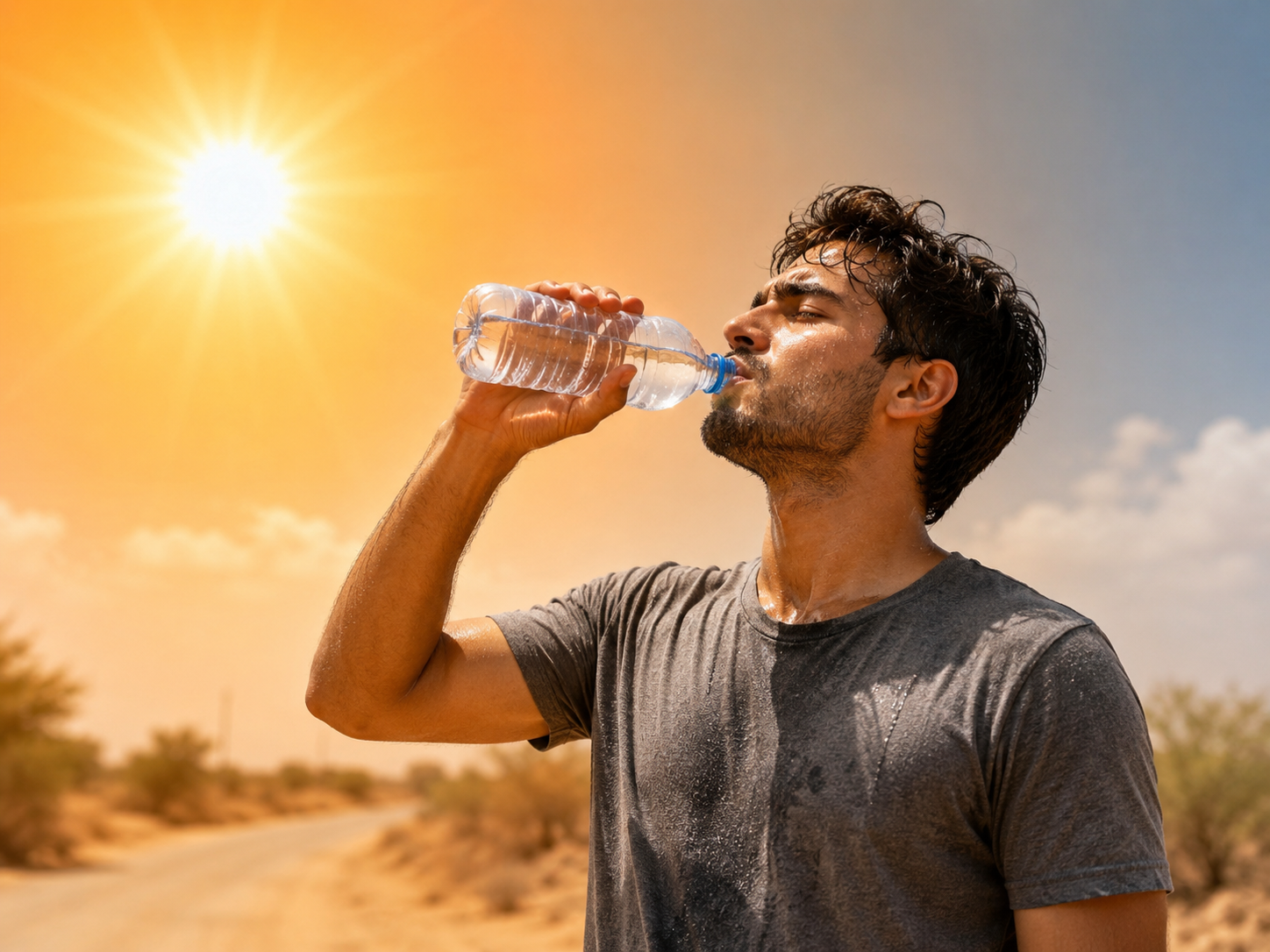
Hydration during heatwaves is essential for staying healthy and preventing dehydration during extreme heat. Climate changes has led to a steady rise in global temperatures, making heat waves more frequent and intense. These extreme weather conditions pose serious health risks, especially for people who work outdoors for long hours. Research on hydration practices indicates that municipal workers are particularly vulnerable to the effect of extreme.
Studies also show that insufficient water intake can significantly increase the severity of heat-related illnesses(HRI), highlighting the importance of staying properly hydrated during periods of extreme heat. In this article, we will explore why hydration is essential during heat waves, who is most at risk, and practical strategies to prevent dehydration and heat-related health complications.
What Is Heatwaves?
A heat wave is a period of very hot weather that lasts for several days or longer. During a heat wave, the temperature stays much higher than normal for a particular area. Heat waves can make it difficult for the body to stay cool and increase the risk of dehydration and other heat related illnesses. This is why staying hydrated is important during extremely hot weather.
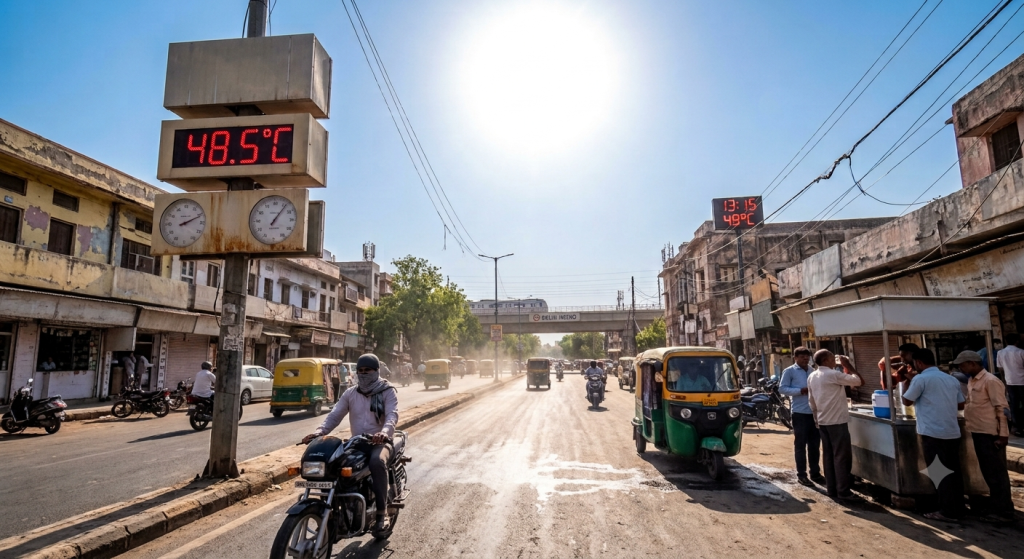
Heat waves are a serious public health concern because they can increase the risk of illness and death, especially during periods of extreme heat. As climate change continues to raise global temperatures, heat waves are becoming more frequent and intense, putting human health at greater risk.
Why Hydration is Important?
Proper hydration is essential for many important body functions. It helps to regulate body temperature, keeps the joints lubricated, and supports the transport of oxygen and nutrients to the body’s cells. Drinking enough water also help to remove waste from the body through urine and sweat. Staying well hydrated can improve energy levels, support brain function, and reduce the risk of headaches. During a heat wave, drinking enough water is especially important to help the body function properly and prevent dehydration. Proper hydration during heatwave can help reduce the risk of dehydration and heat-related illnesses.
Safe and readily available water is essential for public health. We need water for drinking, household activities, food preparation, and recreational purposes. Improving water supply and sanitation system, a long with better management of water resources, can support economic growth and contribute to reducing poverty in communities.
How Heat Affects Your Body?
When the body is exposed to excessive heat, the heart begins to beat faster to increase blood circulation. This helps transport more blood to the skin, where heat can be released to cool the body. As a result, blood pressure may decrease, especially if the body is also losing fluids through heavy sweating.
If heat exposure continues, the body may become dehydrated, leading to symptoms such as dizziness, muscle cramps, weakness, and fatigue. Without timely cooling and proper hydration, heat exhaustion can progress to heat stroke, a life-threatening medical emergency. During heat stroke, the body’s temperature rises rapidly and can reach 40°C (104°F) or higher, making immediate medical treatment essential to prevent serious complications.The human body is designed to maintain a stable internal temperature of approximately 37°C (98.6°F) to support normal physiological functions.
If the body’s natural cooling mechanisms become overwhelmed, heat-related illness can progress through three stages: mild, moderate, and severe.
Mild: This stage may include heat rash, which occurs when sweat ducts become blocked. It may also involve the loss of electrolytes and salts.
Moderate: This stage is known as heat exhaustion. Common symptoms include heavy sweating, intense thirst, headache, nausea, dizziness, and a rapid pulse.
Severe: This stage is called heat stroke and is a medical emergency. The body may stop sweating, and the skin may become hot and dry. Without immediate treatment, it can lead to seizures, organ failure, or even death.
Signs and Symptoms of Dehydration
Dehydration occurs when your body loses more fluids than it takes in. As a result, your body does not have enough water to function properly.
Signs
- Dark yellow urine
- Dry skin
- Sunken eyes
- Fast heart rate
- Low urine output
Symptoms
- Increased thirst
- Dry mouth
- Headache
- Dizziness
- Fatigue
High Risk Groups
The first step in recognizing dehydration is to tackle it early by understanding that its signs can range from mild to moderate to severe. The symptoms depend on how much fluid your body has lost and can also vary based on age group.Some people are at a higher risk of dehydration than others. Knowing who is at risk can help prevent serious health problems.

Infants, Babies, and Young Children
Infants, babies, and young children have smaller bodies and are more sensitive to fluid loss. They are often unable to tell others when they are thirsty. Diarrhea and vomiting can quickly drain water from the body. They also lose important electrolytes, such as sodium and potassium, which can affect normal muscle and nerve function.
Older Adults
Older adults are more vulnerable to dehydration, because low intake of water causes the dehydration .Their bodies store less water, and kidney function becomes less efficient with age. Many also take diuretics (water pills), which increase urination. According to a prospective cohort study involving 200 older adults, 37% of the participants were diagnosed with dehydration at the time of hospital admission. Nearly two-thirds of the remaining participants became dehydrated within 48 hours of admission.
People with Chronic Illnesses
People with chronic conditions, such as diabetes or kidney disease, are also at higher risk of dehydration. These conditions can increase fluid loss through frequent urination. High blood sugar levels can also make it difficult for the body to maintain proper fluid balance. Dehydration can cause renal dysfunction, may also lead to permanent kidney damage.
Athletes and Outdoor Workers
Athletes and outdoor workers lose large amounts of water and salt through sweating. Working in hot weather or at high temperatures can cause the body to lose several liters of fluid. Without drinking enough fluids, they are at a higher risk of dehydration.
How Much Water Should You Drink During a Heatwave?
Drinking enough water every day is essential for good health. Our body often gives us signs when it needs more water, so it is important to stay hydrated. Water plays a vital role in the body by helping lubricate the joints and supporting normal body functions. Without enough water, the body can become dehydrated, which may affect overall health.
The human body is made up of approximately 60% water. A common recommendation is to drink about eight glasses (around 2 liters) of water each day, but this is not a fixed requirement for everyone. In general, adult females should drink about 2.5 liters of water per day, while adult males should drink about 3 liters. Around 20% of our daily water intake comes from foods, especially fruits and vegetables.
Best Hydrating Foods and Drinks
Understanding the basics of nutritionThe Basics of Nutrition: Understanding the Foundation of Healthy Eating helps to make healthier choices during extreme weather conditions. Staying hydrated is not only about drinking plain water. Our body also needs minerals and electrolytes to maintain proper fluid balance. In addition, about 20–25% of our daily water intake comes from the foods we eat. Many fruits and vegetables contain a high amount of water and help keep the body hydrated.
Most Hydrating Fruits and Vegetables
Cucumber
Cucumber contains approximately 96% water. It helps keep the body hydrated and can support daily water intake. It is commonly eaten in salads and has a fresh, crunchy texture.
Watermelon
Watermelon contains approximately 92% water. It has a naturally sweet taste and is commonly available during the summer season. It provides both water and natural sugars.
Strawberries
Strawberries contain approximately 91% water. They help support hydration and also provide antioxidants and vitamins.
Celery
Celery contains approximately 95% water. It is low in calories and is often eaten with dips or added to salads.
Tomatoes
Tomatoes contain approximately 94% water. They help support hydration and also provide vitamins.

Best Hydrating Drinks
Plain Water:
Water is an essential component of the human body. Drinking enough water is important to prevent dehydration. Approximately 50–70% of the human body is made up of water. Drinking 2–3 liters of water daily can help maintain proper hydration and may reduce the risk of kidney stones. Staying well hydrated also supports overall health and helps the body function properly.
Lemon Water:
Lemon water contains vitamin C. Drinking it before meals may support digestion and help you feel fuller, which may reduce food intake and support weight management. To make it more flavorful, you can add mint or honey. You can also prepare a refreshing drink by adding ginger, cucumber, and turmeric. These ingredients can enhance the flavor and provide additional nutrients.
Coconut water:
Coconut water is a nutritious drink that helps keep the body hydrated. It contains antioxidants and cytokinins. Research suggests that cytokinins may have anti-cancer properties and it can be supportive in cancer patient. However, more human studies are needed to confirm these effects.
Buttermilk:
Buttermilk is made from milk. First, milk is fermented into yogurt, and then water is added and the mixture is churned to make buttermilk. It has been consumed for centuries, especially by people working in the fields, to help maintain hydration. Since buttermilk is made from milk, it is a good source of protein. Protein supports the growth and maintenance of muscles, skin, and bones. Some people with lactose intolerance may find buttermilk easier to digest than milk because the beneficial bacteria produced during fermentation help break down some of the lactose. As a result, some people who cannot tolerate milk may be able to drink buttermilk more comfortably.
Tips to Stay Hydrated During Heatwaves
- Avoid direct exposure to extreme heat whenever possible to reduce the risk of dehydration and heat-related illnesses.
- Wear light-colored, loose-fitting clothing, as light colors absorb less heat than dark colors.
- Whenever possible, walk or work in shaded areas to reduce direct sun exposure.
- If you work outdoors, always carry a water bottle and drink water regularly throughout the day.
- During prolonged outdoor work or heavy sweating, consider drinks that help replace fluids, such as plain water, lemon water, or buttermilk. Electrolyte-containing drinks may also be helpful after excessive sweating.
- If the temperature becomes extremely high or you are sweating heavily, take regular breaks in a cool or shaded place before returning to work..
- Eat hydrating foods, especially during periods of extreme heat. Foods with a high water content, such as watermelon and cucumber, can help maintain hydration and support overall health.Following these simple precautions can help reduce the risk of dehydration and support your overall health during hot weather.
When Should You Seek Medical Attention?
If you develop severe dehydration, you should seek medical attention immediately. Warning signs include dizziness, a rapid heartbeat, dark-colored urine, passing little or no urine for more than eight hours, excessive thirst, a dry mouth or dry lips, extreme weakness, and feeling dizzy when standing up. These symptoms require prompt medical evaluation.
Children with diarrhea or vomiting are at a much higher risk of dehydration because they may not be able to tell others that they are thirsty or feeling unwell. If a child develops diarrhea or vomiting, seek medical attention as soon as possible. Severe dehydration can become life-threatening if it is not treated promptly.
Conclusion
Dehydration occurs when the body loses more fluids than it takes in, leaving it without enough water to function properly. Since the human body is made up of approximately 50–70% water, maintaining proper hydration is essential for overall health. During heat waves, the risk of dehydration increases because the body loses water and electrolytes through sweating in an effort to stay cool. According to WHO, heat exposure can increase the risk of dehydration and heat-related illnesses, especially during Heatwaves.
Outdoor workers, older adults, young children, and people who spend long periods in extreme heat are at a higher risk of dehydration. Drinking enough fluids, eating hydrating foods, limiting direct sun exposure, and choosing healthy beverages can help maintain proper hydration. It is also important to recognize the warning signs of severe dehydration and seek medical attention promptly when necessary.
By following these simple preventive measures, you can reduce the risk of dehydration and protect your health during periods of extreme heat.
FAQs
- What is dehydration?
Dehydration occurs when the body loses more fluids than it takes in, making it difficult to perform its normal functions properly. - Who is most at risk of dehydration during a heat wave?
Outdoor workers, older adults, young children, people with chronic illnesses, and anyone exposed to extreme heat for long periods are at a higher risk of dehydration. - What are the common signs of dehydration?
Common signs include excessive thirst, dark-colored urine, dizziness, dry mouth, weakness, headache, and reduced urination. - How can I prevent dehydration during hot weather?
Drink enough fluids throughout the day, eat hydrating foods such as watermelon and cucumber, avoid prolonged sun exposure, wear light-colored clothing, and take regular breaks in cool or shaded areas. - Which drinks help keep the body hydrated?
Plain water is the best choice. Lemon water, coconut water, and buttermilk can also help maintain hydration, especially during hot weather. - When should I see a doctor for dehydration?
Seek medical attention immediately if you experience severe dizziness, confusion, a rapid heartbeat, very dark urine, little or no urination, or if dehydration occurs with persistent vomiting or diarrhea, especially in young children or older adults.
Refrences
1.World Health Organization (WHO). Heat and Health. https://www.who.int
2.National Institutes of Health (NIH). https://www.nih.gov
3.PubMed. National Library of Medicine. https://pubmed.ncbi.nlm.nih.gov
4.Google Scholar. https://scholar.google.com
5.MedlinePlus. U.S. National Library of Medicine. https://medlineplus.gov
6.WebMD. https://www.webmd.com
7.Healthline. https://www.healthline.com
8.Centers for Disease Control and Prevention (CDC). Heat Stress and Hydration. https://www.cdc.gov

2 Responses