

Introduction
How to Set Realistic Health and Fitness Goals? is a common question for anyone starting a wellness journey. Setting clear and practical goals helps you stay motivated and consistent. It also makes it easier to track your progress and avoid frustration.Start today by setting realistic health and fitness goals ad take one small step toward a healthier, stronger future
Achieving realistic health and fitness goals involves working through small, achievable milestones that help us gradually move toward our overall goals. These goals focus on supporting our physical, mental, and emotional well-being. Small consist efforts can lead to meaningful progress over time. Rather than focusing only on big goals, breaking them down into smaller milestones can make them more manageable and help us stay motivated throughout our fitness journey.
Smart Goals
One of the best ways to achieve long-term success is to set SMART health and fitness goals. SMART stands for Specific, Measurable, Achievable, Relevant, and Time-bound. This method helps you create clear, realistic goals and stay motivated throughout your fitness journey.

Specific
Your fitness goal should be clear and focused. Decide exactly what you want to achieve instead of setting a vague goal like “I want to get fit.” For example, you may want to lose weight, gain muscle, improve your endurance, increase your flexibility, walk more each day, or exercise regularly.
Measurable
A measurable goal allows you to track your progress. Set a target that can be measured with numbers. For example, you may aim to walk 3 miles (5 km) a day, lift a certain amount of weight, exercise 30 minutes five days a week, or lose 2–4 kg over two months. Tracking your progress helps you stay motivated and see how far you have come.
Achievable
Choose goals that match your current fitness level and lifestyle. Start with small, realistic steps instead of trying to do too much at once. For example, if you are new to exercise, begin by walking 4,000–6,000 steps per day and gradually increase your daily activity over time. Small improvements are easier to maintain and reduce the risk of injury.
Relevant
Your fitness goals should match your personal needs and priorities. Think about why you want to become healthier. Your goal may be to lose body fat, build muscle, improve flexibility, increase strength, boost your overall fitness, or reduce your risk of chronic diseases. Choosing a goal that is meaningful to you makes it easier to stay committed.
Time-bound
Set a realistic deadline for achieving your goal. Having a specific time frame helps you stay focused and motivated. For example, you might aim to lose 2–4 kg in two months, complete a 5 km walk within eight weeks, or exercise consistently for the next 30 days. A clear timeline allows you to measure your progress and adjust your plan if needed.
Factors That Help You Achieve Your Health and Fitness
Balanced Nutrition
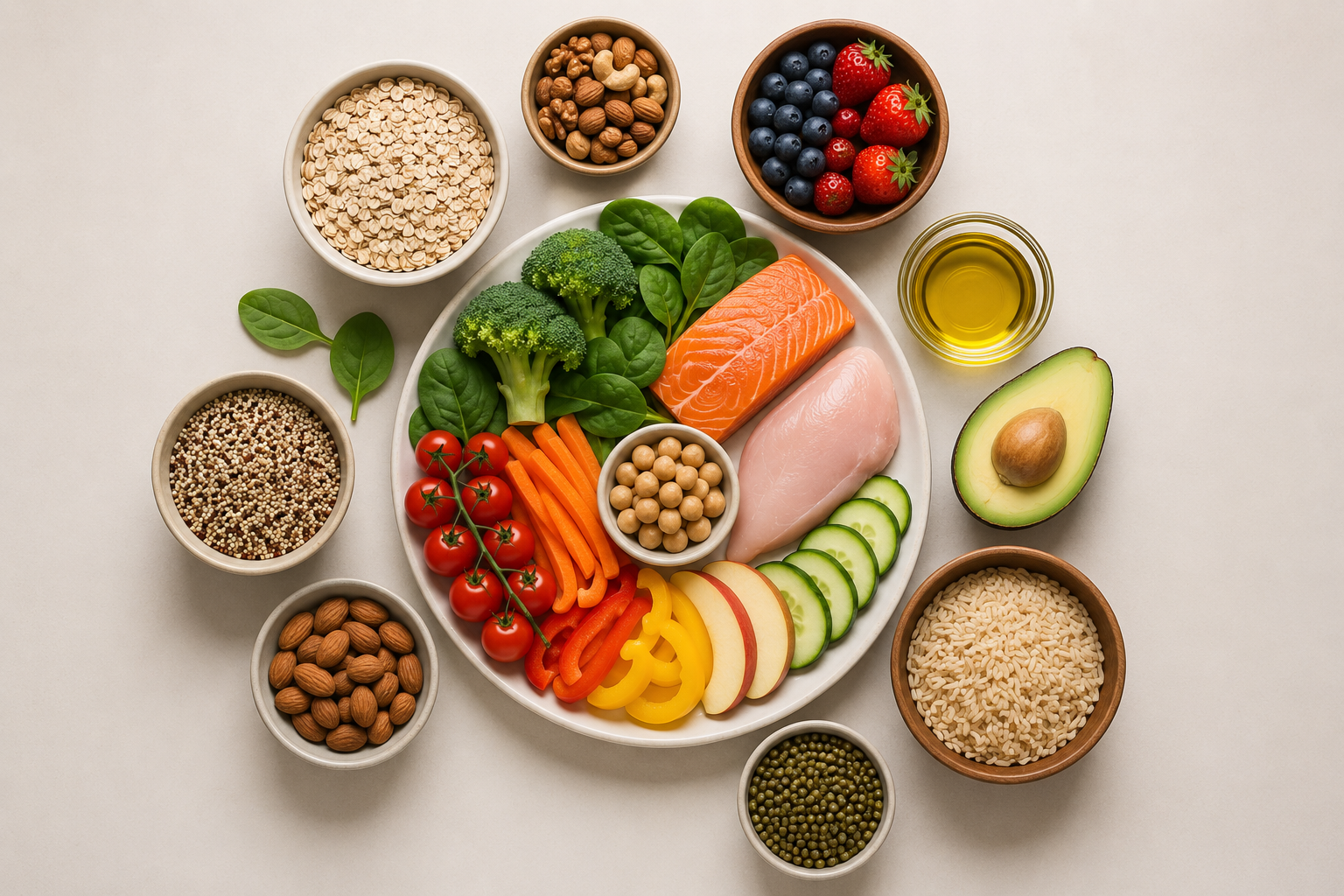
Balanced nutrition affects your health and fitness goals. It supports overall health, helps with physical activity, reduces muscle pain, and helps injuries recover faster. Overall, it supports all health and fitness factors. A balanced diet should include a proper combination of carbohydrates, proteins, vitamins, minerals, and healthy fats.
Regular Physical Activity
The next factor is regular physical activity. Physical activity and fitness sports help build the body, strengthen muscles, increase muscle mass, burn calories, and improve chronic conditions such as heart disease and diabetes. According to the World Health Organization (WHO), if we do 150 minutes of moderate-intensity aerobic activity and muscle-strengthening activities on two days each week, we can achieve our health and fitness goals more effectively.

Quality Sleep
The next factor is quality sleep. A healthy diet and regular exercise help us achieve our fitness goals, but good sleep quality is equally important. We should get at least 6–8 hours of sleep every night. During this time, the muscles relax, and the body’s organs continue to perform their normal functions. If sleep quality is poor, the risk of injuries increases, recovery becomes slower, and weight and body fat may become more difficult to manage because poor sleep can lead to hormonal changes, especially in women.
Proper Hydration
The next factor is proper hydration. Hydration is very important for weight loss, good health, and fitness because the human body is made up of about 60% water. When the body is properly hydrated, it functions well. Dehydration can lead to many health problems, including kidney problems. It also makes it harder for the body to remove waste products. Therefore, proper hydration is important to help the body remove waste and maintain overall well-being, making you feel more refreshed.
Mental Health and Stress Management
Mental health and stress management are just as important for fitness as a healthy diet. Stress is linked to our hormones. When we experience too much stress, the level of the hormone cortisol increases. This can contribute to stress, depression, and poor sleep. However, if we exercise, focus on our fitness, get enough sleep, stay physically active, eat a balanced diet, stay hydrated, and manage stress through exercise, cortisol levels decrease.

As stress becomes more controlled, the body releases more endorphins, which can improve sleep and help maintain overall fitness. To achieve any realistic goal, it is important to keep the body relaxed, maintain good mental health, and manage stress. Likewise, stress management is essential for achieving health and fitness goals.
Consistency and Healthy Habits
The next factor is consistency and healthy habits. To maintain realistic fitness goals, consistency is very important. It is not enough to follow healthy habits for only a few days. Instead, we should make them part of our lifestyle. You can include regular workouts in your routine. For example, you can work out for 15–20 days each month and set a goal for how many miles you want to run.

You can also choose your favorite workouts or create a workout routine that helps your body stay relaxed. Set a daily step goal, for example 1,000–2,000 steps, and include push-ups, cardio, stretching, and planks in your routine. Stretching helps improve flexibility and may reduce muscle cramps. Drink 8–10 glasses of water a day whenever appropriate. As mentioned above, getting enough rest and managing stress are also very important. You can also include running and set a yearly running goal for yourself.
Injury Prevention and Recovery
Injury prevention and recovery are important for recovering from injuries, reducing fatigue, and achieving your health and fitness goals. When we exercise, our muscles develop tiny tears (microtears). During recovery, these muscles repair themselves and become stronger. You should arrange a trainer for avoiding injury.

To help prevent injuries, rest is essential. During rest, the muscles affected by exercise repair themselves and regain strength. If we work out intensely every day without enough rest, our muscles may not have enough time to recover. Therefore, it is important to include regular rest days in your workout routine so that your muscles can recover properly and become stronger. This helps improve both your health and fitness.
Conclusion
How to Set Realistic Health and Fitness Goals? The answer is to focus on small, achievable changes and stay consistent with your daily habits. A balanced diet, regular physical activity, quality sleep, proper hydration, stress management, and regular progress tracking all work together to support your health and fitness journey. Instead of expecting quick results, focus on steady progress and long-term success. Healthy habits practiced every day can make a lasting difference to your overall well-being. By following these simple strategies, you can build a healthier lifestyle and achieve your goals with confidence.
FAQs
1. How do I set realistic health and fitness goals?
Start by setting SMART goals that are specific, measurable, achievable, relevant, and time-bound. Focus on small, realistic steps and track your progress regularly.
2. Why are realistic fitness goals important?
Realistic goals help you stay motivated, build healthy habits, and achieve long-term results without feeling overwhelmed.
3. What are SMART health and fitness goals?
SMART goals are goals that are Specific, Measurable, Achievable, Relevant, and Time-bound, making them easier to achieve and monitor.
4. How long does it take to achieve health and fitness goals?
The timeline depends on your goal, consistency, and lifestyle. Small, steady progress is more effective than expecting quick results.
5. What factors affect health and fitness goals?
Balanced nutrition, regular physical activity, quality sleep, proper hydration, stress management, consistency, and injury prevention all play an important role.
6. How can I stay motivated to achieve my fitness goals?
Set realistic goals, track your progress, celebrate small achievements, and maintain healthy daily habits to stay motivated.
References
- World Health Organization (WHO). Physical Activity. https://www.who.int/news-room/fact-sheets/detail/physical-activity
- Centers for Disease Control and Prevention (CDC). Benefits of Physical Activity. https://www.cdc.gov/physical-activity-basics/benefits/index.html
- U.S. Department of Health and Human Services. Physical Activity Guidelines for Americans, 2nd Edition. https://health.gov/our-work/nutrition-physical-activity/physical-activity-guidelines
- National Institutes of Health (NIH). Aim for a Healthy Weight. https://www.nhlbi.nih.gov/health/educational/lose_wt
- American Heart Association (AHA). Recommendations for Physical Activity in Adults. https://www.heart.org/en/healthy-living/fitness
- Academy of Nutrition and Dietetics. Healthy Eating. https://www.eatright.org
- National Sleep Foundation. How Much Sleep Do We Really Need? https://www.thensf.org/how-many-hours-of-sleep-do-you-really-need/


2 Responses