
Introduction
Healing foods are nutrient-dense foods that help protect the body from inflammation, illness, and disease. These include leafy green vegetables, green tea, ginger, turmeric, mint, and other nutrient-rich foods. Healing foods you should eat daily contain a variety of vitamins, minerals, and antioxidants that help protect the body against infections. Food is not only fuel for the body but can also act as medicine. When consumed as part of a balanced diet and with proper care, it can support health and promote healing.
Modern lifestyles, processed foods, chronic stress, poor sleep, and environmental toxins can place extra strain on the body, making it harder to recover and function at its best. while no single food can cure diseases, choosing nutrient-dense healing foods every day can support your body’s natural healing processes and help maintain better health over time. Small, consistent dietary changes often have a greater long-term impact than quick fixes.
Disease Prevention Through Diet

A healing food is essential for good health and nutrients. Many diseases can be prevented by eating whole foods, fiber-rich foods, and healthy fats while reducing sugar intake.
Eating colorful fruits and vegetables, whole grains, and healthy plant oils is key to a healthy diet. These habits help reduce the risk of chronic diseases such as heart disease and type 2 diabetes. Limiting sodium, unhealthy fats, and added sugars allows food to better support overall health and healing.
The Role of Inflammation
Inflammation is a natural immune response that helps protect the body and repair damaged tissues. However, chronic inflammation can delay healing. Eating specific healing foods, such as leafy green vegetables, fatty fish, and berries, can help support recovery.Choosing the right anti-inflammatory foods may help reduce the risk of illness.Consistently eating unhealthy foods can promote chronic inflammation.
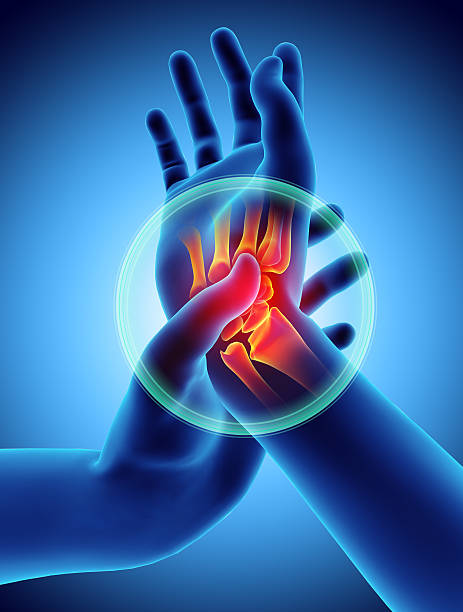
According to Dr. Frank Hu, inflammation is an important protective mechanism, but chronic inflammation plays a key role in the development of many diseases. Unhealthy foods can contribute to overweight and obesity, which are themselves risk factors for chronic inflammation.
Top Healing Foods You Should Eat
However, several foods can help reduce inflammation, promote healing, and provide the nutrients the body needs for proper function. Below are some of the top healing foods:
1. Leafy Green Vegetables
Leafy green vegetables such as spinach and mustard greens are rich in nutrients and iron. They help support immune function and may help reduce inflammation. They are also good sources of vitamin C, vitamin A, magnesium, and folate, which support overall health and the immune system.
2. Salmon
Salmon is an excellent source of high-quality protein. It also contains B vitamins, selenium, iron, zinc, and omega-3 fatty acids. Omega-3 fatty acids help reduce inflammation and support wound healing, which is why they are also available as dietary supplements.
3. Eggs
In some situations, such as muscle building during exercise, recovery from illness, or during weight loss and weight gain diets, the body may require additional protein. Eggs provide high-quality protein along with vitamin A, vitamin B12, iron, and selenium. These nutrients help support the body’s natural anti-inflammatory processes.
4. Nuts and Seeds
Nuts and seeds, including almonds, walnuts, sunflower seeds, and pistachios, help support the body’s recovery process. They are also considered good sources of plant-based protein.
5. Berries
Berries contain vitamin C and other beneficial plant compounds. Vitamin C helps stimulate collagen production, and collagen is the most abundant protein in the human body.
6. Chicken
Chicken is an excellent source of high-quality protein. It contains essential amino acids, including glutamine and arginine, which help support tissue repair and the healing process.
7. Cruciferous Vegetables
Cruciferous vegetables such as cauliflower, Brussels sprouts, broccoli, and kale provide many health benefits. They are rich in vitamins, minerals, and antioxidants. They also contain vitamins B and C, which support the immune system and help reduce inflammation.
Strengthen Your Immune System Naturally
If you want to naturally support your immune system, it is important to build healthy daily habits. These include eating a balanced diet, getting enough sleep, and staying physically active. Although no single lifestyle habit has been proven to directly “boost” the immune system, research shows that lifestyle and immune function are closely connected.
Researchers continue to study how diet, physical activity, age, psychological stress, and other factors affect the immune system in both animals and humans. The first step toward supporting a healthy immune system is choosing a healthy lifestyle.
Gut Health and Disease Prevention

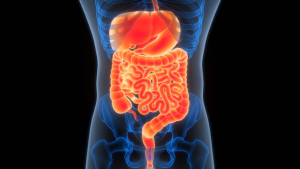
Gut health depends, in part, on the healing foods we eat. Foods rich in prebiotics, probiotics, and fiber help support a healthy gut, reduce inflammation, and may lower the risk of chronic diseases.
Studies suggest that about 10–15% of people in Western countries experience symptoms of irritable bowel syndrome (IBS), such as abdominal pain, bloating, constipation, and diarrhea. Including healing foods in your diet can help support gut health and may improve IBS symptoms in some people.
Hydration and Detoxification

Proper hydration supports the body’s natural cleansing processes and helps the body’s detoxification system function effectively. Water-rich foods such as cucumber, watermelon, and celery also help maintain hydration. The liver and kidneys are two major organs that depend on adequate hydration to help remove waste products from the body.
The following habits can also help prevent dehydration:
- Avoid excessive alcohol consumption.
- Get enough sleep.
- Drink enough water throughout the day.
- Eat antioxidant-rich foods.
- Include fiber-rich foods in your diet.
- Choose liver-friendly foods, vegetables broccoli and spinach.
Conclusion
Healing foods are more than just a source of energy—they provide essential nutrients that help support the body’s natural healing processes. A balanced diet rich in leafy green vegetables, fatty fish, eggs, berries, nuts, seeds, whole foods, and other nutrient-dense ingredients can help reduce inflammation, support immune and gut health, and promote overall well-being.
Healthy daily habits, including staying hydrated, eating a balanced diet, getting enough sleep, and being physically active, work together to support long-term health. While no single food can prevent or cure disease, making nutritious food choices consistently can help lower the risk of many chronic health conditions and support the body’s natural ability to stay healthy.
References
- Calder, P.C. (2020). Nutrition, immunity and COVID-19. BMJ Nutrition, Prevention & Health, 3(1), 74–92. https://doi.org/10.1136/bmjnph-2020-000085
- World Health Organization (WHO). (2020). Healthy diet. https://www.who.int/news-room/fact-sheets/detail/healthy-diet
- National Institutes of Health (NIH), MedlinePlus. Nutrition. https://medlineplus.gov/nutrition.html
- National Institute of Diabetes and Digestive and Kidney Diseases (NIDDK). Irritable Bowel Syndrome (IBS): Symptoms & Causes. https://www.niddk.nih.gov/health-information/digestive-diseases/irritable-bowel-syndrome/symptoms-causes
- Valdes, A.M., Walter, J., Segal, E., & Spector, T.D. (2018). Role of the gut microbiota in nutrition and health. BMJ, 361, k2179. https://doi.org/10.1136/bmj.k2179
- Harvard T.H. Chan School of Public Health. The Nutrition Source. https://nutritionsource.hsph.harvard.edu/
- Mayo Clinic. Nutrition and Healthy Eating. https://www.mayoclinic.org/healthy-lifestyle/nutrition-and-healthy-eating.


One Response