
Introduction
10 easy healthy recipes you can make at home, these are an important part of a balanced diet. They can help maintain a healthy body weight, support the immune system, and reduce the risk of chronic diseases. A nutritious diet may also help manage conditions such as high cholesterol, diabetes, heart disease, and certain kidney conditions when combined with appropriate medical care and a healthy lifestyle.
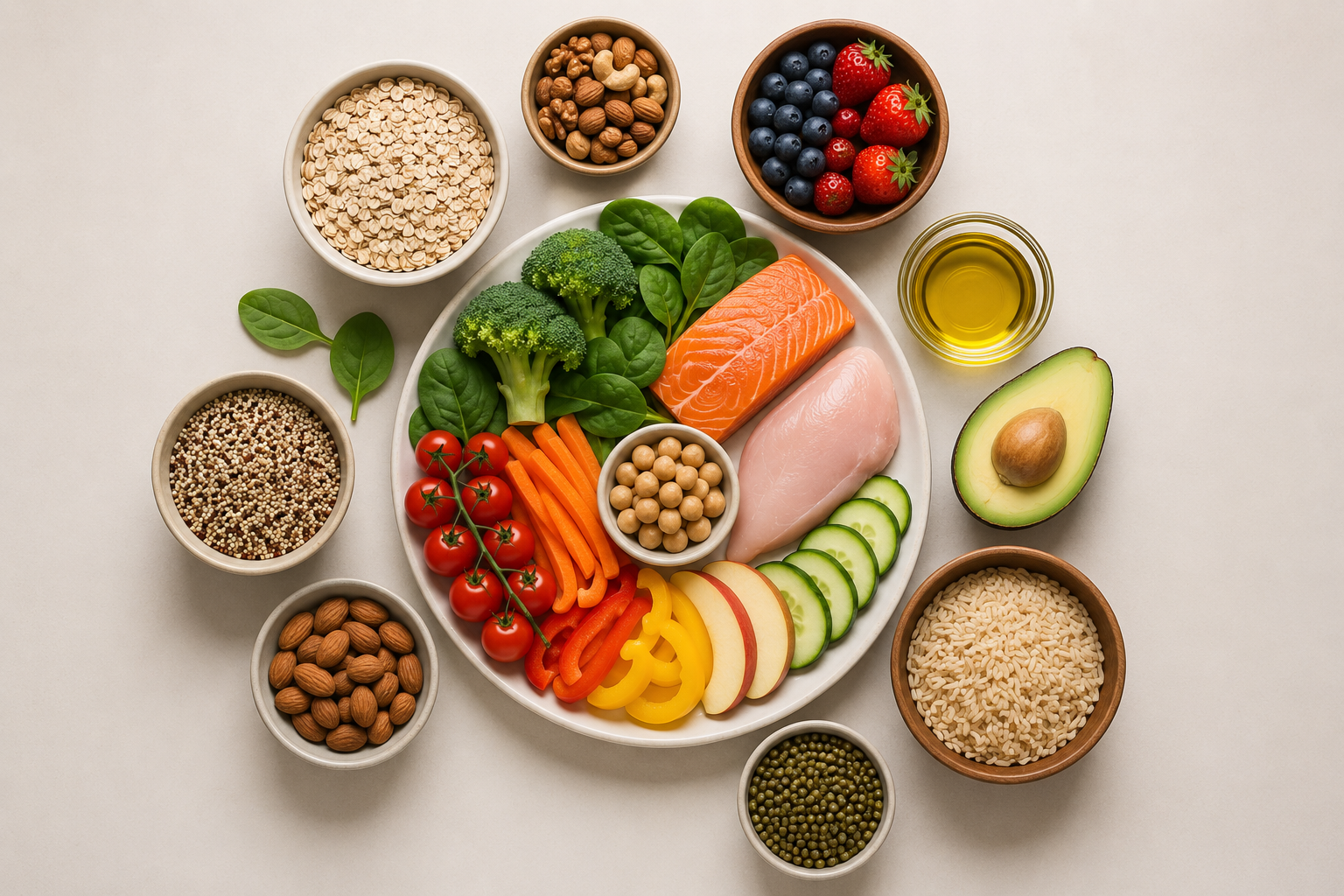
Our bodies need enough essential nutrients to support healthy bones, teeth, muscles, skin, and many other organs. Healthy recipes made with high-fiber foods, vegetables, fruits, whole grains, beans, and other nutrient-rich ingredients help provide these nutrients. Fresh juices can also be included as part of a balanced diet, although whole fruits are generally a better source of fiber.
These nutritious foods support healthy digestion, promote good gut health, and help the body’s natural detoxification processes. They also support muscle function, strengthen the immune system, improve bone health, and may lower the risk of many diseases. Because they are rich in fiber, they help you feel full for longer, reduce hunger between meals, and support healthy weight management. Many healthy recipes are also easy to digest when prepared with wholesome ingredients.
Below, we will explore the top 10 healthy recipes, including their ingredients, preparation methods, and nutritional benefits.
- Easy to prepare
- Budget-friendly
- Packed with nutrients
1. Oats with Fruits & Nuts
Ingredients:
- Oats
- Milk or water
- Banana and apple
- Almonds and walnuts
- Cashew
- Honey (optional)

How to Make:
Soak the oats in milk or water overnight. By morning, the oats will be soft and ready to eat. For breakfast, add fresh fruits such as sliced banana and apple to the same bowl. Then add 5–7 almonds, 5–7 cashews, and 2–3 walnuts. If you prefer a sweeter taste, you can add a small amount of honey. However, if your goal is weight loss, honey is optional.
Benefits:
- High in fiber
- Keeps you full longer
- Great for weight loss
2. Grilled Chicken with Steamed Vegetables
Ingredients:
- Grilled chicken breast
- Lettuce
- Cucumber
- Tomatoes, Onion, Spinach
- Olive oil + lemon dressing

How to Make:
Marinate the chicken with lemon juice or yogurt, according to your taste. Add a little salt, black pepper, and red chili powder, then let it marinate for a while. Grill the chicken using 2 teaspoons of olive oil until it is fully cooked.
Meanwhile, steam vegetables such as broccoli and spinach. Place the steamed vegetables in a bowl, then add sliced onion and fresh cucumber.
Finally, add the grilled chicken to the bowl. If desired, you can add a small amount of mustard sauce for extra flavor before serving.
Benefits:
- High protein
- Low calorie
- Perfect for lunch or dinner
3. Vegetable Omelette
Ingredients:
- Eggs
- Spinach
- Onion
- Capsicum
- Tomatoes
- Mushroms

How to Make:
In a bowl, combine chopped onion, spinach, tomatoes, capsicum, and mushrooms. Add a pinch of salt, then crack in two whole eggs and whisk everything together until well combined.
Heat a small amount of olive oil in a non-stick pan over medium heat. Pour the egg mixture into the pan and cook for 2–3 minutes, or until the eggs are fully cooked. Serve warm.
Benefits:
- Rich in protein
- Quick and filling
- Ideal for breakfast or dinner
- Provide fiber with veggies
4. Greek Yogurt with Berries
Ingredients:
- Banana
- Berries
- Greek Yogurt
- Chia seeds

How to Make:
Add chia seeds to Greek yogurt and let them soak for 10–15 minutes. Then add fresh berries and banana slices, and mix everything well.
For extra flavor, you can sprinkle a little cinnamon on top or drizzle a small amount of honey if desired. Serve chilled as a healthy breakfast or a nutritious snack.
Benefits:
- Loaded with vitamins
- Rich in Fiber
- Refreshing and energizing
5. Chickpea Salad
Ingredients:
- Boiled Chickpea
- Mixed vegetables
- Olive oil
- Curd

How to Make:
In a large bowl, combine cooked chickpeas with a mix of steamed, lightly stir-fried, and fresh vegetables. Add vegetables such as broccoli, spinach, cucumber, tomatoes, onions, and capsicum according to your preference.
Season with a little salt, black pepper, and red chili powder. Add plain curd and a small amount of olive oil as the dressing, then toss everything well. Serve fresh as a healthy lunch or light dinner.
Benefits:
- High fiber
- Plant based protein
- Sustained energy
6. Vegetable Lentil Soup
Ingredients:
- Lentils
- Garlic and onion
- Carrot chopped
- Zucchini

How to Make:
Soak 1 cup of mixed lentils for 1 hour. Add 4 cups of water and cook until the lentils become soft and fully cooked. Then add chopped vegetables of your choice, such as carrots, spinach, broccoli, tomatoes, or capsicum. Cook for another 5 minutes until the vegetables are tender.
Season with a little salt and black pepper. You can adjust the consistency of the soup to your preference by adding more or less water. Make it thick or thin, depending on your choice.
Benefits:
- Excellent plant protein
- Gut friendly
- High dietary fiber
7. Baked Sweet Potatoes
Ingredients:
- Sweet potatoes
- Olive oil
- Salt & pepper

How to Make:
Wash one medium sweet potato thoroughly and pat it dry. Pierce it a few times with a fork, then lightly brush it with 1 teaspoon of olive oil. Sprinkle a small amount of salt and black pepper on top.
Bake in a preheated oven at 200°C (400°F) for 40–50 minutes, or until the sweet potato is soft when pierced with a fork.
Benefits:
- Provide Vitamin A, C and potassium
- Keep you full for longer
- Healthy carbs source
8. Baked Salmon with Brown Rice
Ingredients:
- Salmon
- olive oil
- brown rice

How to Make:
Preheat the oven to 200°C (400°F). Place the pre-marinated salmon on a baking tray and lightly brush it with 1 teaspoon of olive oil.
Bake the salmon for 15–20 minutes, or until it is fully cooked and flakes easily with a fork.
Meanwhile, cook the brown rice according to the package instructions. Serve the baked salmon with brown rice and your favorite steamed vegetables or a fresh salad.
Benefits:
- High-quality protein
- Omega-3 fatty acid support heart and brain
- Support muscles
9. Chia Seed Pudding
Ingredients:
- Chia seed
- Almond MIlk
- Honey
- Fresh fruits and some nuts

How to Make:
Pour almond milk into a bowl and add 2 tablespoons of chia seeds. Chia seeds soak for 15–20 minutes, or until they absorb the liquid and develop a pudding-like texture.
Add crushed walnuts or almonds for extra crunch. For sweetness and flavor, add a small amount of honey or a few drops of vanilla extract, according to your taste. Finally, mix in fresh fruits such as berries, banana slices, or other fruits of your choice.
Benefits:
- Rich in Dietary Fiber
- Support Digestive System
- Provide Healthy Fats
10. Avocado Whole Wheat Toast
Ingredients:
- Whole wheat 2 Bread Slice
- Ripe Avocado
- Lemon juice

How to Make:
Toast 2 slices of whole wheat bread until lightly crisp. In a small bowl, mash 1 ripe avocado with a little lemon juice until smooth.
Spread the avocado mixture evenly over the toasted bread. Add a pinch of salt and black pepper for extra flavor, if desired. Serve immediately as a healthy breakfast or snack.
Benefits:
- Balanced meal
- Good source of Carbs
Tips for Healthy Cooking
- Use less oil
- Choose whole grains
- Limit salt and sugar
- Avoid deep frying
- Control portion size
- Include lean protein
- Prefer grilling, baking, or steaming
- Use natural spices instead of sauces
Conclusion
Healthy eating is not about restriction, it is about making smarter choices.
- Eat better
- Feel better
- Stay consistent
Healthy recipes do not have to be complicated. Simple meals made with whole, nutrient-dense ingredients can provide protein, healthy fats, fiber, vitamins, and minerals that support overall health. Choosing balanced recipes regularly can help maintain energy levels, support digestion, and promote long-term well-being. Small, consistent changes in your daily meals can make a meaningful difference as part of a healthy lifestyle.
Reference
- Harvard T.H. Chan School of Public Health. (2024). The Nutrition Source. https://nutritionsource.hsph.harvard.edu/
- World Health Organization (WHO). (2020). Healthy diet. https://www.who.int/news-room/fact-sheets/detail/healthy-diet
- U.S. Department of Agriculture. MyPlate. https://www.myplate.gov/
- National Institutes of Health (NIH), Office of Dietary Supplements. Dietary Supplement Fact Sheets. https://ods.od.nih.gov/factsheets/list-all/
- MedlinePlus. Healthy Eating. U.S. National Library of Medicine. https://medlineplus.gov/healthyeating.html
- Gillingham, L.G., Harris-Janz, S., & Jones, P.J.H. (2011). Dietary monounsaturated fatty acids are protective against metabolic syndrome and cardiovascular disease risk factors. Lipids, 46(3), 209–228. https://doi.org/10.1007/s11745-010-3524-y
- Reynolds, A., Mann, J., Cummings, J., Winter, N., Mete, E., & Te Morenga, L. (2019). Carbohydrate quality and human health: A series of systematic reviews and meta-analyses. The Lancet, 393(10170), 434–445. https://doi.org/10.1016/S0140-6736(18)31809-9
- Slavin, J.L. (2013). Fiber and Prebiotics: Mechanisms and Health Benefits. Nutrients, 5(4), 1417–1435. https://doi.org/10.3390/nu5041417


3 Responses