

What is Gut Health?

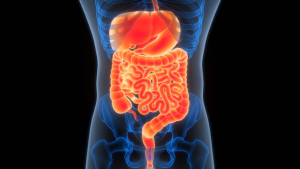
The gastrointestinal system, including the digestive system, esophagus, stomach, and intestines, is collectively referred to as the gut. The proper functioning of this system is known as gut health. Our gut contains trillions of microbes that support important functions such as digestion, metabolism, and immunity. When these microbes function properly, they help support our overall health.
Dr. Schiesser explains that when our gut microbes become imbalanced-meaning there are more unhealthy microbes and fewer beneficial microbes-this imbalance can negatively affect gut health and may increase health concerns. Top Healing Foods for better digestion and gut health can play an important role in supporting a healthy digestive system.
Signs of an Unhealthy Gut
- Bloating
- Indigestion
- Diarrhea
- Acidity
- Abdominal pain
- Constipation
- IBS (Irritable Bowel Syndrome)
- IBD (Inflammatory Bowel Disease)
When the gut becomes disturbed, it may also contribute to or promote various other health problems.
Why Is It Important?
Good gut health plays an important role in our digestive system. The gut microbiota helps break down food, absorb nutrients, and support the balance of beneficial microorganisms in the gut. A healthy gut can support digestion and immune function and may also influence communication between the gut and the brain.

The key benefits of good gut health include good digestion, strong immunity, better balance, and a healthy inflammatory response. Beneficial gut bacteria help support normal digestion and are involved in the breakdown of some components of food. They also interact with the immune system and help protect the body against harmful microorganisms.
Strong Immunity
The gut is an important part of the body’s immune system. Beneficial gut bacteria interact with immune cells and help support the body’s defense against harmful germs and microorganisms.
Mood Balance
The gut and brain communicate through signals involving the nervous system and other biological pathways. This gut-brain connection can influence mood and emotional regulation.
Healthy Inflammatory Response
Inflammation is a natural immune response that occurs when the body detects infection, injury, or other harmful stimuli. The immune system responds to these threats to protect the body. Gut microorganisms can interact with the immune system and influence inflammatory responses.
Beneficial gut bacteria also help maintain a healthy microbial balance, which can support the body’s defense against harmful microorganisms and help reduce the risk of certain infections.
Overall, gut health is closely connected with digestion, nutrient absorption, immune function, and communication between the gut and the rest of the body. A balanced gut microbiota supports these important functions and helps maintain normal body processes.
10 Healing Foods for Better Digestion
Yogurt and other Probiotic foods
Yogurt is made from milk and is fermented using lactic acid bacteria. It contains beneficial, gut-friendly bacteria known as probiotics, which can support the digestive tract and digestion and help to maintain a healthy gut.
Funnel Seeds
Funnel seeds can also support digestion and may help with symptoms such as bloating and gas. Funnel tea is commonly prepared by boiling the seeds in water and drinking it. It may help provide a feeling of relief from bloating and can support relaxation of the digestive tract muscles.
Kefir
Kefir is also a dairy product. Kefir grains are added to milk to ferment it using a combination of yeasts and bacteria. Kefir can support digestion.
In a 2025 study, 50 mL of kefir was consumed daily for six weeks, and a reduction in digestive symptoms was observed, with positive results related to gastrointestinal health.
Chia Seeds
Chia seeds have gel-forming properties that can support digestion. They are Rich in fiber, and fiber can help prevent constipation. Fruits and vegetables are also good source of dietary fiber.
Papaya
Papaya is another food that contains a digestive enzyme called papain. According to research, papaya may help some people with digestive health and symptoms such as diarrhea.
Papaya is considered low FODMAP in appropriate portions. FODMAP stands for fermentable oligosacharides, disaccharides, monosaccharides, and Polyols. This means that an appropriate portion may be suitable for people with conditions such as IBS.
Whole Grains
Whole grains come from grass-like cereal plants. A whole grain contains the entire grain kernel, including the bran, germ, and endosperm. Whole grains include oats, quinoa, and whole-wheat products such as whole-wheat bread. Their fiber content can help reduce constipation.
Beetroot
Beetroot is a good source of fiber. Fiber can add bulk to stool and support beneficial gut bacteria. Beetroot can commonly be eaten as part of salads.
Ginger
Ginger can also support digestion. It may help with an upset stomach and digestive discomfort. However, it should not be described as a treatment for all digestive problems such as diarrhea and constipation.
Kimchi
Kimchi is fermented cabbage. It contains live microorganisms that can have probiotic properties. Kimchi also provides fiber, which can support Bowel health and may help with constipation.
Peppermint
Peppermint may help with symptoms of IBS, particularly digestive discomfort. It can be consumed as a tea, while peppermint leaves can also be used in food or salads.
How Fiber Supports a Healthy Gut?
- Dietary fiber provides several important health benefits. Some of its key benefits include:
- Adults and children are generally recommended to consume about 14 grams of dietary fiber per 1,000 calories daily.
- In the United States, children and adults consume less than half of the recommended amount of dietary fiber on average.
- Individuals who consume higher amounts of dietary fiber may have a lower risk of chronic diseases, including heart disease, stroke, hypertension, diabetes, and obesity.
- Higher fiber intake is also associated with a lower risk of some gastrointestinal disorders.
- Increasing dietary fiber intake may help lower blood pressure and serum cholesterol levels.
- Soluble fiber may help improve blood glucose control and insulin sensitivity in both diabetic and non-diabetic individuals.
- Adequate fiber intake can help support digestive health and may reduce problems such as constipation and hemorrhoids.
Sources of Dietary Fiber
- Good sources of dietary fiber include vegetables, oats, whole grains, beans, lentils, fruits, nuts, and seeds.
Conclusion
Healing foods can play an important role in supporting better digestion and gut health. Foods rich in dietary fiber, prebiotics, probiotics, fruits, vegetables, whole grains, and other nutrient-dense ingredients can support healthy digestion and overall well-being. Staying hydrated and choosing balanced meals can also help maintain a healthy digestive system. However, no single food can cure digestive diseases. Consistently making healthy food choices and following healthy daily habits can help support long-term gut health.
FAQs
- What are healing foods for better digestion and gut health?
Healing foods are nutrient-dense foods that provide fiber, vitamins, minerals, antioxidants, prebiotics, and probiotics to support digestion and overall gut health. - Which foods are good for gut health?
Foods such as leafy green vegetables, berries, whole grains, lentils, chickpeas, chia seeds, and other fiber-rich foods can support a healthy gut. - How does dietary fiber support digestion?
Dietary fiber supports digestive health and can help maintain regular bowel movements. It is found in foods such as vegetables, fruits, oats, whole grains, nuts, seeds, beans, and lentils. - Can healing foods reduce inflammation?
Some nutrient-dense and anti-inflammatory foods may help reduce inflammation as part of a balanced diet. Foods such as leafy greens, berries, and fatty fish can provide nutrients that support overall health. - How can I improve my gut health naturally?
You can support your gut health by eating a balanced diet that includes fiber-rich foods, staying adequately hydrated, getting enough sleep, and maintaining regular physical activity.
References
- World Health Organization. (2026). Healthy diet. WHO. Official WHO source�
2. National Institute of Diabetes and Digestive and Kidney Diseases. Digestive Diseases. National Institutes of Health. Official NIDDK source�
3. National Institute of Diabetes and Digestive and Kidney Diseases. Eating, Diet, & Nutrition for Constipation. National Institutes of Health. Official NIDDK source�
4. Harvard T.H. Chan School of Public Health. Fiber: The Nutrition Source. Official Harvard source�
5. National Institute of Diabetes and Digestive and Kidney Diseases. Eating, Diet, & Nutrition for Indigestion. National Institutes of Health. Official NIDDK source�
6. World Health Organization & Food and Agriculture Organization of the United Nations. (2024). What are healthy diets? Joint statement by the FAO and WHO. Official WHO/FAO source�


3 Responses