
Introduction
Your gut is more than just a digestive system—it’s the control center for your overall health.
A healthy gut supports:
- Strong immunity
- Better digestion
- Improved mood
- Even weight management
But poor diet, stress, and lifestyle habits can disrupt your gut microbiome, leading to issues like bloating, fatigue, and weakened immunity.
Let’s break down how your gut works—and how to fix it.
1. What is Gut Health?
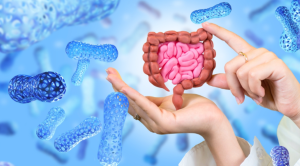
Gut health refers to the balance of microorganisms living in your digestive tract—also known as the gut microbiome.
These bacteria:
- Help digest food
- Produce essential nutrients
- Protect against harmful pathogens
A balanced microbiome = better overall health.
2. Signs of an Unhealthy Gut
Your body gives clear signals when your gut is not functioning properly:
- Frequent bloating
- Constipation or diarrhea
- Fatigue
- Sugar cravings
- Skin issues (acne, eczema)
If you notice these regularly, your gut likely needs attention.
3. Eat More Fiber-Rich Foods
Fiber feeds the good bacteria in your gut.
Top fiber sources:
- Fruits (apples, bananas)
- Vegetables (broccoli, carrots)
- Whole grains
- Lentils and beans
👉 Aim for a mix of soluble and insoluble fiber for best results.
4. Add Probiotics to Your Diet
Probiotics are “good bacteria” that improve gut balance.
Best natural probiotic foods:
- Yogurt
- Kefir
- Sauerkraut
- Kimchi
Regular intake helps restore healthy gut flora.
5. Don’t Forget Prebiotics
Prebiotics are food for probiotics.
Examples:
- Garlic
- Onions
- Bananas
- Oats
Think of it this way:
👉 Probiotics = good bacteria
👉 Prebiotics = their food
You need both.
6. Reduce Sugar and Processed Foods
Bad bacteria thrive on sugar and processed foods.
Too much sugar can:
- Disrupt gut balance
- Increase inflammation
- Lead to digestive issues
Cutting back improves gut health significantly.
7. Stay Hydrated
Water helps:
- Break down food
- Absorb nutrients
- Maintain intestinal health
Dehydration can slow digestion and cause constipation.
8. Manage Stress Levels
Your gut and brain are deeply connected (gut-brain axis).
Chronic stress can:
- Disrupt digestion
- Alter gut bacteria
- Cause bloating or discomfort
Simple stress-reducing habits:
- Deep breathing
- Walking
- Limiting screen time
9. Get Enough Sleep
Poor sleep negatively affects your gut microbiome.
Aim for:
- 7–9 hours of quality sleep
- Consistent sleep schedule
Better sleep = healthier gut.
10. Avoid Unnecessary Antibiotics
While antibiotics are sometimes essential, overuse can kill good bacteria.
Always:
- Use only when prescribed
- Support recovery with probiotics afterward
Conclusion
Your gut health influences almost every aspect of your well-being—from digestion to immunity and even mental health.
By:
✔ Eating fiber-rich foods
✔ Adding probiotics & prebiotics
✔ Reducing sugar
✔ Managing stress
You can restore balance and feel better from the inside out.