

Vitamins are essential organic compounds that our body needs in very small amounts for growth, development, and normal body functions so that the body can work properly.
In this article explore the Vitamins: How They Work and Why Your Body Needs Them?
There are a total of 13 essential vitamins, including vitamin A, C, D, E, and K, along with vitamin B1, B2, B3, B5, B6, B7, B12, and folate (B9).
Vitamins are divided into two categories: fat-soluble vitamins and water-soluble vitamins.
Fat-soluble vitamins are stored mainly in the body’s fatty tissues and liver. These vitamins include A, D, E, and K. They are absorbed along with dietary fat.
Water-soluble vitamins generally are not stored in the body in large amounts. The nine water-soluble vitamins include vitamin C and the eight B vitamins. Excess amounts of many water-soluble vitamins are usually excreted from the body through urine, so they need to be consumed regularly.
Functions
Each essential vitamin has its own importance and plays a specific role in the body. We may face vitamin deficiencies when we do not get an adequate intake of vitamins. Not consuming enough fruits, vegetables, legumes, dairy foods, and other vitamin-containing foods may make it harder to get the vitamins our body needs. Vitamin deficiencies can lead to health problems and may contribute to certain problems related to heart health and bone health. Some specific vitamin deficiencies are also associated with an increased risk of certain diseases.
The functions of vitamins are listed below.
Vitamin A helps maintain healthy teeth, bones, soft tissues, mucous membranes, and skin. It also supports the tissues in the retina.
Vitamin B12 supports metabolism, helps form red blood cells, and is important for the normal functioning of the central and peripheral nervous systems.
Vitamin B6, also known as pyridoxine, helps the body form red blood cells and supports normal brain function. It also plays an important role in protein metabolism. Vitamin B6 is involved in many chemical reactions in the body. When protein intake is higher, the body may require more vitamin B6.
Vitamin C, also known as ascorbic acid, is an antioxidant. It supports healthy teeth and gums and helps the body absorb iron. It also helps maintain healthy tissues and supports wound healing.
Vitamin D is also known as the sunshine vitamin. It is very important for the body. Vitamin D can be produced by the body when the skin is exposed to sunlight. It helps the body absorb calcium, which is important for healthy bones. People who have limited sun exposure may be at greater risk of vitamin D deficiency and may need a vitamin D supplement based on their individual needs. Vitamin D deficiency can cause bone problems and, in children, may lead to rickets.
Vitamin K is essential for normal blood clotting. It also supports bone health.
Vitamin E is an antioxidant. It helps protect cells from oxidative damage and supports the normal formation of red blood cells. High amounts of vitamin E can interfere with vitamin K-dependent blood clotting.
Vitamin B7, also called biotin, is essential for the metabolism of proteins, carbohydrates, and fats. It also plays a role in several processes in the body.
Niacin, also known as vitamin B3, is essential for healthy skin and normal nerve function. In high doses, niacin can help lower triglyceride levels, but high doses may also cause side effects.
Vitamin B5, also known as pantothenic acid, helps the body break down and use nutrients from food. It is also involved in the production of hormones and cholesterol.
Vitamin B2, also known as riboflavin, works with other B vitamins and is important for normal body growth and the production of red blood cells.
Vitamin B1, also known as thiamine, helps the body convert carbohydrates into energy. It is essential for the normal health and function of the heart and nerve cells.
sss
Fat-Soluble Vitamins
Vitamin A
Vitamin A can be found in liver, organ meats, egg yolks, milk, and dairy products. Dark leafy vegetables are also sources of provitamin A carotenoids.
Vitamin D
Vitamin D is found in fatty fish such as salmon and in fish liver oil. It can also be found in dairy products and cereals when they are fortified with vitamin D.
Vitamin E
Vitamin E is found in avocado, margarine, dark green vegetables, vegetable oils, nuts, wheat germ, and wheat germ oil. Papaya and mango also contain vitamin E.
Vitamin K
Vitamin K is found in cabbage, cauliflower, cereals, broccoli, spinach, and other dark leafy green vegetables. It is also found in some animal foods, including eggs and certain meats.
Water-Soluble Vitamins
Biotin (Vitamin B7)
Biotin, also known as vitamin B7, is found in egg yolks, legumes, milk, nuts, cereals, organ meats such as kidney and liver, yeast, and some chocolate products.
Folate (Vitamin B9)
Folate is found in asparagus, broccoli, beets, brewer’s yeast, dried beans, cereals, grains, leafy vegetables such as spinach and romaine, lentils, oranges, orange juice, peanut butter, and wheat germ.
Niacin (Vitamin B3)
Niacin, also known as vitamin B3, is found in avocado, enriched bread and cereals, fish, lean meats, legumes, nuts, potatoes, and poultry such as chicken.
Pantothenic Acid (Vitamin B5)
Pantothenic acid, also known as vitamin B5, is found in avocado, broccoli, kale, other vegetables, eggs, lentils, milk, mushrooms, organ meats, poultry, sweet potatoes, and whole grains and cereals.
Thiamine (Vitamin B1)
Thiamine, also known as vitamin B1, is found in dry milk, eggs, bread, flour, lean meat, legumes, nuts, seeds, organ meats, peas, and whole grains.
Vitamin B6
Vitamin B6 is found in avocado, bananas, legumes, meat, nuts, poultry, and whole grains.
Vitamin B12
Vitamin B12 is found in eggs, meat, milk and dairy products, organ meats such as liver and kidney, poultry, shellfish, and some fortified foods such as cereals and soy milk.
Vitamin C
Vitamin C is found in broccoli, Brussels sprouts, cabbage, cauliflower, citrus fruits, potatoes, spinach, strawberries, tomatoes, tomato juice, lemons, and oranges.
Conclusion
Vitamins are essential nutrients that our body needs in small amounts for normal growth, development, and body functions. Each of the 13 essential vitamins has its own role, and they are divided into fat-soluble and water-soluble vitamins. A variety of nutritious foods can help provide the vitamins your body needs. Understanding the functions and food sources of vitamins can help you make better choices for a healthy and balanced diet. When vitamin intake is not enough, deficiency can develop and may lead to health problems. Vitamins are important for supporting overall health and helping the body function properly.
Frequently Asked Questions About Vitamins
1. How many essential vitamins does the body need?
There are 13 essential vitamins that the body needs for normal growth, development, and body functions.
2. What are the two main types of vitamins?
Vitamins are divided into two main categories: fat-soluble vitamins and water-soluble vitamins.
3. Which vitamins are fat-soluble?
The four fat-soluble vitamins are vitamins A, D, E, and K.
4. Which vitamins are water-soluble?
The nine water-soluble vitamins include vitamin C and the eight B vitamins: B1, B2, B3, B5, B6, B7, B9 (folate), and B12.
5. What happens when the body does not get enough vitamins?
Not getting enough essential vitamins can lead to vitamin deficiencies, which may cause different health problems depending on the vitamin involved.
6. What foods are good sources of vitamins?
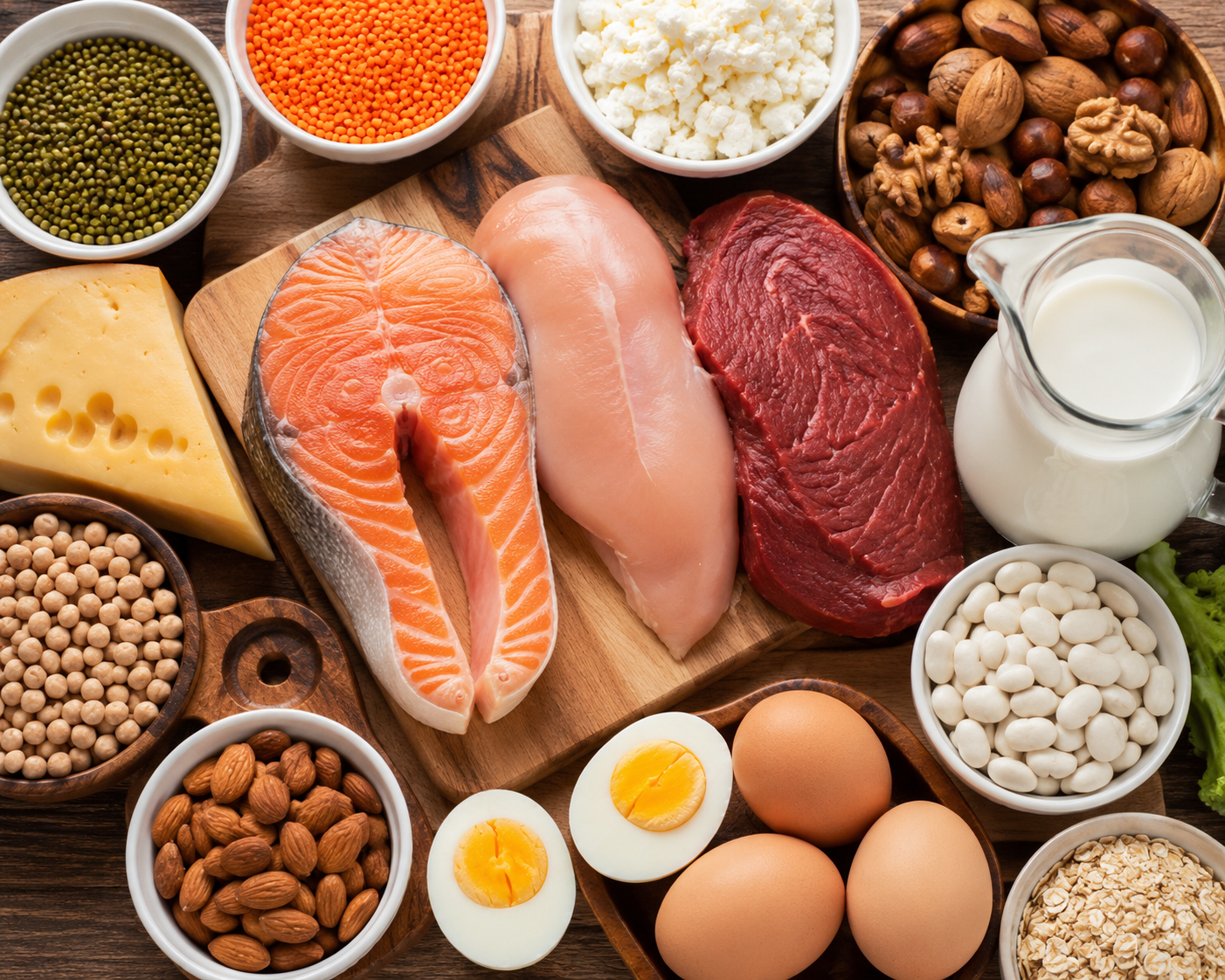
Vitamins can be obtained from a variety of foods, including fruits, vegetables, legumes, dairy products, eggs, meat, fish, nuts, seeds, and whole grains.
7. Why is vitamin D important?
Vitamin D helps the body absorb calcium and supports healthy bones. The body can also produce vitamin D when the skin is exposed to sunlight.
8. Do I need vitamin supplements?
Some people may need vitamin supplements when they cannot get enough of a particular vitamin from their diet or have increased needs. Supplements should be used according to individual needs and appropriate medical advice.
References
- National Institutes of Health, Office of Dietary Supplements (2025). Vitamin A and Carotenoids: Fact Sheet for Consumers. National Institutes of Health.
- National Institutes of Health, Office of Dietary Supplements. Vitamin D: Fact Sheet for Consumers. National Institutes of Health.
- National Institutes of Health, Office of Dietary Supplements. Vitamin C: Fact Sheet for Consumers. National Institutes of Health.
- National Institutes of Health, Office of Dietary Supplements. Vitamin B12: Fact Sheet for Consumers. National Institutes of Health.
- MedlinePlus (U.S. National Library of Medicine). Vitamins.
- Harvard T.H. Chan School of Public Health, The Nutrition Source. Vitamins and Minerals.
- NHS. Vitamins and minerals.