

Introduction
Weight Loss is one of the most common health goals for people around the world, but with so much conflicting advice available, it can be difficult to know what really works. Losing weight can feel overwhelming, especially with so many diets and quick-fix solutions promising fast results. These methods may lead to temporary weight Loss is not about starving yourself or following extreme restrictions.
In this article, you’ll discover science-based weight loss Strategies that focus on balanced nutrition, regular physical activity, quality sleep, and sustainable lifestyle changes. These science-based weight loss strategies can help you lose weight safely, improve your overall health, and maintain your results in the long term.
Why Science Matters in Weight Loss?
For many years, people believed that weight loss depended mainly on willpower. The common advice was to eat less and move more. While these habits are important, modern research shows that successful weight loss is influenced by many factors, including hormones, metabolism, genetics, sleep, physical activity, and eating habits.
Body fat is not simply extra weight. It is an important energy reserve that helps the body function when food intake is low. When you eat too little or follow a very restrictive diet, your body starts using its stored fat for energy. As these energy stores are used, the brain receives signals that trigger natural survival responses to conserve energy.
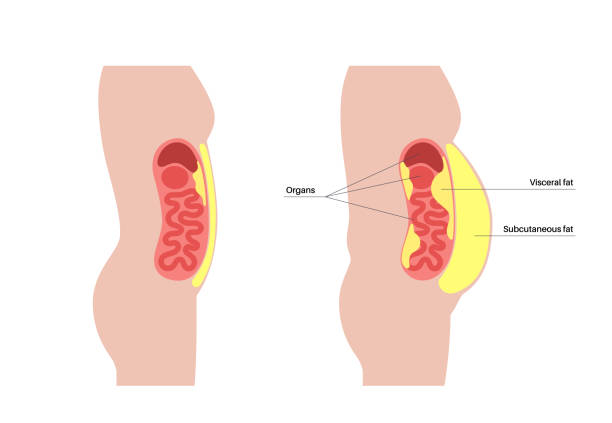
At first, you may notice weight loss. However, over time, the body begins to adapt. Hunger hormones can increase, food cravings may become stronger, and energy levels may decrease. The body may also slow its metabolism and burn fewer calories to conserve energy. This natural process, known as metabolic adaptation, can make continued weight loss more difficult and increase the risk of regaining the lost weight.
Earlier theories focused mainly on eating less and exercising more. Today, scientific research shows that long-term weight management depends on understanding how the body regulates hunger, energy use, and fat storage. By following science-based strategies instead of relying on willpower alone, people can achieve healthier and more sustainable weight loss.
How Weight Loss Really Works?
Healthy weight loss works best when you follow a balanced plan instead of relying on quick fixes. This means eating the right amount of calories, staying physically active, and making healthy daily habits that you can maintain over the long term.

There are three main factors that influence weight loss:
1. Calorie Balance
Weight loss happens when you consistently consume fewer calories than your body uses. A moderate calorie deficit helps the body use stored fat for energy while still providing the nutrients it needs to stay healthy.
2. Physical Activity
Regular physical activity supports weight loss by increasing the number of calories your body burns. Walking, strength training, stretching, and other forms of exercise also help improve fitness, preserve muscle mass, and support overall health.
3. Body Response
Every person’s body responds differently to a weight loss plan. Factors such as hormones, metabolism, age, genetics, sleep, and stress can affect how quickly someone loses weight. Understanding how your body responds can help you make steady and sustainable progress.
Daily Habits That Support Weight Loss
Healthy daily habits play an important role in long-term success. Choose whole foods such as vegetables, fruits, whole grains, lean proteins, and healthy fats. Drink plenty of plain water, and limit sugary drinks, soft drinks, and fruit juices that contain added sugar. Stay consistent with your eating habits and physical activity instead of looking for quick results.
For most people, a safe and sustainable rate of weight loss is about 0.5 to 1 kilogram per week, although this can vary depending on individual health, starting weight, and medical advice.
Why Crash Diets Don’t Work?
A crash diet is a type of diet that involves a severe reduction in calorie intake for a short period. These diets promise rapid weight loss by providing very few calories. Although they may lead to quick weight loss at first, the results are often difficult to maintain, and many people regain the lost weight after returning to their usual eating habits.
Crash diets should not be followed without professional guidance. Before considering one, it is important to understand your health goals, the potential benefits, and the possible risks. A registered dietitian or healthcare professional can help determine whether a very low-calorie diet is appropriate and safe for your specific situation.

In some cases, crash diets can be harmful and should be avoided. They are generally not recommended for children, pregnant or breastfeeding women, or people with certain medical conditions, such as heart disease, kidney disease, liver disease, type 1 diabetes, or gout, unless they are being closely supervised by a healthcare professional.
Crash diets are also not suitable for athletes or people who perform regular intense physical activity. Eating too few calories can reduce energy levels, decrease muscle mass, slow recovery, and negatively affect physical performance.
If you want to lose weight quickly, speak with a qualified healthcare professional or registered dietitian first. They can recommend a safe, evidence-based plan that meets your nutritional needs and supports healthy, long-term weight loss.
Create a Healthy Calorie Deficit
Calorie balance is one of the most important principles of healthy weight loss. Your body burns calories every day to support basic functions such as breathing, circulation, digestion, and physical activity. The total number of calories your body burns depends on factors such as age, sex, body size, muscle mass, and activity level.
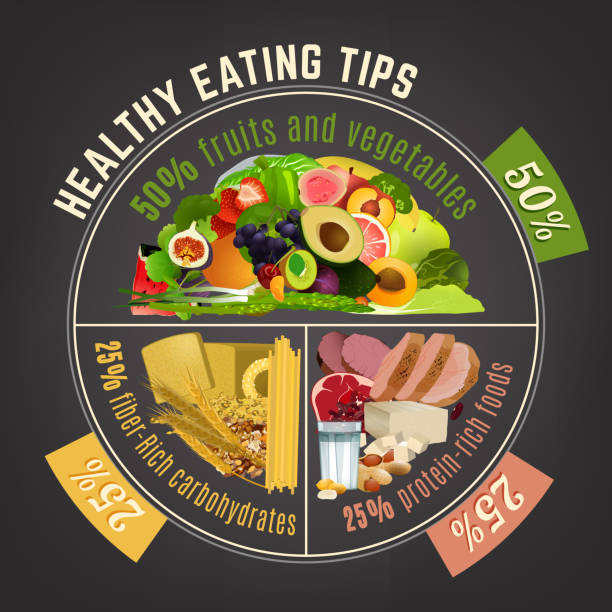
Weight loss occurs when you consistently consume fewer calories than your body uses. For most people, creating a daily calorie deficit of 300 to 500 calories can support gradual and sustainable weight loss. With a balanced diet and regular physical activity, this may help achieve a healthy weight loss of about 0.5 to 1 kilogram per week, although individual results may vary.
To estimate your calorie needs, you can use a Basal Metabolic Rate (BMR) or Total Daily Energy Expenditure (TDEE) calculator. These tools provide an estimate of how many calories your body needs each day. You can then adjust your calorie intake and monitor your weight over the following weeks to determine whether any changes are needed.
It is also important to remember that body weight is not determined by calories alone. Many other factors can influence weight loss and weight gain, including:
- Hormones
- Lifestyle habits
- Stress
- Medical conditions
- Genetics
- Sleep quality
Because these factors differ from person to person, everyone’s weight loss journey is unique. A balanced diet, regular physical activity, and healthy daily habits remain the most effective approach for long-term success
Protein In Every Meal
Protein can play an important role in healthy weight loss. It helps you feel full for a longer time, which may reduce overall calorie intake. Protein also helps preserve muscle mass during weight loss and supports a healthy metabolism.
A high-protein diet can influence hormones that regulate hunger and fullness. It may lower the levels of the hunger hormone ghrelin while increasing the release of fullness hormones such as GLP-1. As a result, appetite may decrease, and you may feel satisfied after eating. For most adults, aiming for about 20–30 grams of protein per meal is a practical way to support muscle health, increase fullness, and help with healthy weight loss. However, individual protein needs may vary depending on age, body weight, activity level, and overall health.
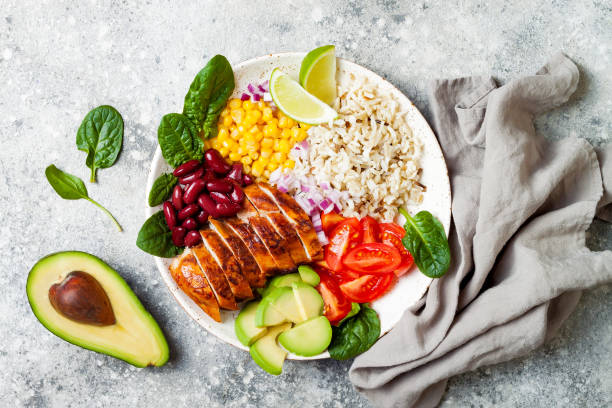
A higher-protein meal can increase satiety, meaning it helps you stay full for longer. When protein replaces some carbohydrates and fats in the diet, many people experience greater fullness and less hunger.
After you eat, your body uses energy to digest, absorb, and metabolize food. This process is known as the thermic effect of food (TEF). Protein has a much higher thermic effect (20–30%) than carbohydrates (5–10%). This means that if you consume 100 calories from protein, about 20–30 calories may be used during digestion and metabolism, leaving approximately 70–80 calories available for the body’s use.
10 Healthy Habits for Successful Weight Loss
Worldwide, the rates of overweight and obesity are increasing. Therefore, it is important to follow effective, science-based strategies for healthy and sustainable weight loss. The following top 10 Science-Based Weight Loss Strategies habits can help you achieve your weight loss goals:
1. Improve your eating habits by choosing more vegetables, fruits, whole grains, and other nutrient-rich foods.
2. Eat regular meals and avoid skipping meals, as this may increase hunger and lead to overeating later.
3. Drink enough water throughout the day. Staying well hydrated supports overall health and may help with weight management.
4. Exercise regularly aim for at least 150 minutes of moderate-intensity physical activity per week, along with muscle-strengthening activities.
5. Get enough sleep. Poor sleep can increase hunger hormones and make it more difficult to control your appetite.
6. Manage stress. High stress levels may increase cortisol, which can lead to increased appetite and overeating in some people.
7. Use tracking tools, such as a calorie counter or food diary, to monitor your eating habits and progress.
8. Limit high-calorie snacks and sugary drinks to help reduce your overall calorie intake.
9. Think long term and stay consistent. Healthy weight loss takes time, so focus on building sustainable habits instead of looking for quick results.
10. Consult a registered dietitian or healthcare professional if you need a personalized weight loss plan or professional guidance.
Conclusion
Successful weight loss is not about following strict diets or looking for quick results. It is about building healthy habits that you can maintain over time. Small, consistent changes often lead to the best long-term results.
When you:
- Eat better
- Move more
- Sleep well
- Stay consistent
you give your body the support it needs to lose weight in a healthy and sustainable way. Focus on progress rather than perfection, and make healthy habits part of your daily lifestyle.
References
World Health Organization (2026) Healthy diet. Available at: WHO Healthy Diet� (Accessed: 29 July 2026). �
World Health Organization
National Institute of Diabetes and Digestive and Kidney Diseases (2023) Eating & Physical Activity to Lose or Maintain Weight. Available at: NIDDK Weight Management� (Accessed: 29 July 2026). �
World Health Organization (2023) Total Fat Intake for the Prevention of Unhealthy Weight Gain in Adults and Children: WHO Guideline. Available at: WHO Guideline (NCBI Bookshelf)� (Accessed: 29 July 2026). �
NCBI
MedlinePlus (2025) Protein in Diet. Available at: MedlinePlus Protein in Diet� (Accessed: 29 July 2026). �
St Jeor, S.T. et al. (2001) ‘Dietary protein and weight reduction: A statement for healthcare professionals’, Circulation, 104(15), pp. 1869–1874. Available at: PubMed Article� (Accessed: 29 July 2026). �
World Health Organization (2026) Healthy diet – Fact Sheet. Available at: WHO Healthy Diet Fact Sheet� (Accessed: 29 July 2026). �
World Health Organization (2023) WHO updates guidelines on fats and carbohydrates. Available at: WHO Fats and Carbohydrates Update� (Accessed: 29 July 2026).
Snetselaar, L.G., de Jesus, J.M., DeSilva, D.M. and Stoody, E.E. (2021) ‘Dietary Guidelines for Americans, 2020–2025: Understanding the scientific process, guidelines, and key recommendations’, Nutrition Today, 56(6), pp. 287–295. (Referenced by MedlinePlus). Available at: MedlinePlus Protein in Diet References� (Accessed: 29 July 2026). �
MedlinePlus


One Response