Introduction
You will learn about Stress and cortisol: how to manage them naturally, can support better mental and physical well-being.
Cortisol is a stress hormone that is released in response to physical or psychological stress. It is called a stress hormone because it plays an important role in the body’s response to stressful or challenging situations. Cortisol is part of the body’s stress-response system and helps regulate energy and prepare the body to respond to demanding situations.
When we experience stress or perceive a threat, the brain activates the stress response. The amygdala plays an important role in processing potential threats, while the hypothalamus helps initiate the hormonal stress response. The hypothalamus releases corticotropin-releasing hormone (CRH), which signals the pituitary gland to release adrenocorticotropic hormone (ACTH). ACTH then signals the adrenal glands to produce and release cortisol into the bloodstream.
After cortisol is released into the bloodstream, it acts on different tissues throughout the body. One of its important functions during stress is to increase the availability of glucose in the blood so that the body has enough energy to respond to a challenging situation. Cortisol also affects the liver, where it promotes the production of glucose. At the same time, prolonged exposure to cortisol can reduce the body’s sensitivity to insulin, which may contribute to higher blood sugar levels.
Cortisol can also contribute to an increase in blood pressure, particularly when stress is prolonged. Its effects on the immune system and inflammation are more complex. Cortisol normally helps regulate and suppress inflammation, but long-term stress and changes in cortisol regulation can affect immune function and inflammatory responses.
These are some of the body’s responses to stressful situations. Changes in cortisol can also affect focus and concentration, while stress can interfere with normal digestion. Overall, cortisol helps the body respond to an immediate stressful or demanding situation by changing energy availability and other body functions.
In this topic, we will further explain stress and cortisol: how to manage them Naturally and how they may be supported naturally through diet and meditation?
Stress and Cortisol Connected

Stress and cortisol are closely connected because cortisol is one of the body’s main stress hormones. When we face physical or mental challenges, the brain activates a stress response through the hypothalamic-pituitary-adrenal (HPA) axis, which leads to the release of cortisol.
When the brain senses a potential threat or stressful situation, the hypothalamus sends a signal to the pituitary gland. The pituitary gland then signals the adrenal glands, which are located above the kidneys, to release cortisol into the bloodstream.
Cortisol helps the body respond to stress by making more energy, including glucose (blood sugar), available for immediate use. This supports the body’s fight-or-flight response and helps maintain alertness during stressful situations.
However, when stress continues for a long time and cortisol remains elevated, it may negatively affect the body. Chronic stress is associated with problems such as increased inflammation, changes in appetite and abdominal fat, weakened immune function, digestive problems, increased blood pressure, and changes in heart rate.
Short-Term Stress vs. Long-Term or Chronic Stress.
There are two types of stress: short-term stress and long-term or chronic stress. Short-term stress can cause an immediate response and make us more alert during a sudden or challenging situation. It can temporarily affect functions such as digestion and immune activity, and some people may experience stomach discomfort or abdominal cramps.
Long-term or chronic stress can become harmful when it continues for an extended period. Prolonged stress can affect the body’s cortisol regulation and may contribute to problems such as sleep difficulties, weight changes, high blood pressure, digestive problems, and changes in immune function. This shows the important connection between cortisol and the body’s response to stress.
How Chronic Stress Can Affect Your Body

Stress and Sleep
According to a survey, stress can negatively affect sleep quality. Adults generally need 7–9 hours of sleep each night for good health. The survey reported that 42% of adults experienced poor sleep quality, while 43% reported waking up repeatedly during the night due to stress in the previous months. The report also found that as stress levels increased, both sleep quality and sleep duration decreased. When people do not get enough sleep, they may feel more stressed, creating a cycle in which stress and poor sleep can affect each other.
Stress and Digestion
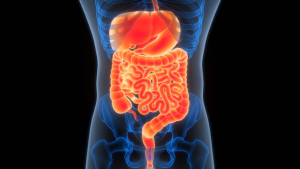
Stress can also affect digestion because the gut and brain are closely connected through the nervous system. When we experience stress, the body activates the fight-or-flight response. During this response, the body temporarily shifts its focus toward functions that help it deal with the perceived threat, which can affect normal digestive activity.
Stress may also influence the gut microbiota and contribute to changes in the balance of gut microorganisms. As a result, some people may experience digestive symptoms such as bloating, stomach cramps, a “butterflies” feeling in the stomach, acidity, diarrhea, or constipation.
Stress and Energy
Long-term or chronic stress can affect energy levels and may contribute to fatigue. It can also interfere with sleep and reduce physical and mental functioning, which may make it harder to focus and complete daily tasks.
During short-term stress, the body releases adrenaline, also known as epinephrine. It increases heart rate and helps make glucose available in the bloodstream, providing the body with quick energy to respond to a stressful situation.
However, during long-term stress, repeated activation of the stress-response system can disrupt the normal regulation of cortisol and other stress hormones. Over time, this can affect sleep, metabolism, immune function, and other normal body processes.
How to Manage Stress Naturally

There are different ways to manage cortisol and stress.
- Practice deep breathing: Deep breathing may help activate the body’s relaxation response and reduce stress.
- Get regular physical activity: Regular physical activity can help reduce stress and support mental well-being.
- Prioritize quality sleep: Getting enough quality sleep can help the body and mind cope better with stress.
- Spend time in nature: Spending time in green spaces may support stress management and mental well-being.
- Practice mindfulness or meditation: Mindfulness and meditation may help reduce perceived stress and support emotional well-being.
- Stay connected with people you trust: Staying connected with supportive people can provide emotional support during stressful periods.
- Eat a balanced diet: Following a balanced and healthy dietary pattern can be part of a healthy lifestyle that supports stress management.
- Reduce excessive caffeine: Limiting excessive caffeine may be helpful because caffeine can interfere with sleep, which can affect stress management.
- Take short breaks: Taking regular breaks can provide opportunities to relax and reduce the effects of ongoing stress.
- Create a simple daily routine: A simple routine can help you organize daily tasks and priorities, which may make stress easier to manage.
You Can Lower Cortisol Naturally
- Get the right amount of sleep: Aim for a consistent amount of quality sleep, as poor sleep can affect the body’s stress response.
- Get regular exercise: Activities such as walking, cycling, swimming, or strength training can help manage stress and support overall well-being.
- Learn to recognize stressful thinking: Notice stressful or negative thought patterns and try to respond to them in a calmer and more balanced way.
- Deep breathe, peaceful breaths: Slow, deep breathing may help reduce stress and can modestly lower cortisol levels.
- Have fun and laugh: Enjoyable activities such as spending time with friends, listening to music, or laughing can help you relax during stressful periods.
- Maintain healthy relationships: Spending time with supportive family members or friends can provide emotional support and help with stress management.
- Take care of a pet: Caring for a pet can provide companionship and may support emotional well-being.
- Love yourself: Practicing self-compassion and avoiding excessive self-criticism can help you deal with stressful situations in a healthier way.
- Connect with your spirituality: Prayer, spiritual reflection, or other meaningful spiritual practices may provide a sense of comfort, connection, and support during stressful periods.
- Eat a balanced diet: Include nutrient-rich foods such as vegetables, fruits, whole grains, legumes, nuts, seeds, and sources of healthy fats as part of a balanced eating pattern.
- Take some supplements: Some evidence suggests that omega-3 fatty acids may influence stress-related outcomes, while ashwagandha has shown potential to reduce stress and cortisol in some clinical studies; however, supplements are not necessary for everyone and ashwagandha can have side effects and medication interactions.
Conclusion
Stress and cortisol are closely connected and can affect different functions of the body when stress continues for a long time. Poor sleep, digestive problems, low energy, and difficulty focusing can all be associated with prolonged stress. Managing stress through quality sleep, regular physical activity, deep breathing, mindfulness, supportive relationships, a balanced diet, and other healthy habits can help support the body’s normal stress response. Certain supplements may also be helpful in some cases, but they should be used carefully. Making small, consistent lifestyle changes can support better stress management and overall well-being.
References
- National Center for Complementary and Integrative Health (NCCIH). Stress. NCCIH. Read the source
- Dalfsen JH, Markus CR. The influence of sleep on human hypothalamic-pituitary-adrenal (HPA) axis reactivity: A systematic review. Sleep Medicine Reviews. 2018;31:124–136. Read the research
- Leigh SJ, Kaakoush NO, et al. The impact of acute and chronic stress on gastrointestinal physiology and function: a microbiota-gut-brain axis perspective. The Journal of Physiology. 2023;601(20):4491–4538. Read the research
- Ballou S, Feingold JH. Stress, Resilience, and the Brain-Gut Axis: Why is Psychogastroenterology Important for all Digestive Disorders? Gastroenterology Clinics of North America. 2022;51(4):697–709. Read the research
- Moyers SA, Hagger MS. Physical activity and cortisol regulation: A meta-analysis. Biological Psychology. 2023;182:108548. Read the research
- National Center for Complementary and Integrative Health (NCCIH). Mind and Body Approaches for Stress and Anxiety. 2024. Read the source