
What Are Hormones?
Hormones are chemical messengers that carry signals through the blood to different parts of the body, including organs, skin, muscles, and tissues. These signals tell the body how to respond and perform different functions.
Hormones are essential for the normal functioning of the body. They are produced and released by glands, which together form the endocrine system.
When hormone levels remain balanced, the body can function normally. However, when hormone levels become too high or too low, hormonal imbalance can occur.
Female hormonal imbalance can affect different aspects of a woman’s health, including the menstrual cycle, mood, energy, metabolism, and reproductive health. Hormones play an essential role in many processes throughout the body, and their levels naturally change during different stages of life.
Hormones control many important processes in the body, including growth, the monthly menstrual cycle in females, pregnancy, sexual function, metabolism, homeostasis, blood pressure, blood sugar, electrolyte balance, body temperature, water balance, development, reproduction, sleep, and mood.
The main female sex hormones are estrogen and progesterone. Both play important roles in the menstrual cycle and pregnancy, while hormonal changes also occur during different stages of life, including menopause. Other hormones can also influence health, energy, mood, and body weight.
Overall, hormones help manage hundreds of processes in the body and help maintain its normal functioning.
What Are Glands and the Endocrine System?

Glands are structures in the body that produce and release different substances. For example, the digestive system releases digestive juices, while sweat glands in the skin release sweat and the tear glands help produce tears.
Endocrine glands release hormones directly into the bloodstream. The endocrine system is the network through which these hormones are produced, released, and act throughout the body.
The major organs and glands of the endocrine system include:
- Hypothalamus
- Pituitary gland
- Pineal gland
- Thyroid gland
- Parathyroid glands
- Adrenal glands
- Pancreas
- Ovaries
Other tissues and organs can also produce hormones, including adipose tissue, kidneys, liver, gut, and placenta.
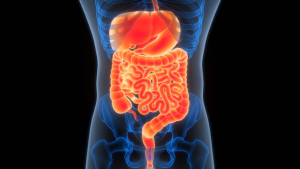
The placenta produces hormones during pregnancy. The kidneys produce hormones and hormone-related substances such as erythropoietin and renin. The liver produces angiotensinogen and other hormone-related substances. The digestive tract also produces several hormones, including ghrelin, motilin, and gastrin.
Main Female Hormones

The main female sex hormones are estrogen and progesterone. Testosterone is also present in females, but generally at lower levels than in males.
Estrogen
Estrogen is one of the main female sex hormones and plays an important role in reproduction. It is produced mainly by the ovaries, and its levels change throughout the menstrual cycle and during different stages of life, including menopause.
Estrogen is involved in the development and maintenance of female sexual characteristics. It plays important roles in areas such as breast development, menstruation, pregnancy, and reproductive health.
Estrogen can also affect the cardiovascular system, bones, skin, hair, and brain.
Progesterone
Progesterone is another important female reproductive hormone. After ovulation, it helps prepare the lining of the uterus for possible implantation of a fertilized egg.
If fertilization occurs and pregnancy develops, progesterone levels remain elevated and continue to support the pregnancy. During pregnancy, progesterone also helps prevent further ovulation.
Testosterone
Testosterone is commonly considered the main male sex hormone, but it is also present in females in smaller amounts.
In females, testosterone is produced by the ovaries and adrenal glands, along with other tissues. Although its levels are lower than in males, it still has roles in the body.
Testosterone is involved in areas such as bone and muscle health, libido, and sexual function.
Hormonal Imbalance: Signs and Symptoms
Even relatively small changes in hormone levels can affect the body. When hormone levels become too high or too low, hormonal imbalance may occur.
Common Signs and Symptoms are:
- Irregular or missed periods
- Heavy or painful periods
- Acne
- Unexplained weight changes
- Fatigue
- Mood changes
- Sleep problems
- Hair thinning or excess hair growth
- Low libido
- Difficulty getting pregnant
Hormonal imbalance can be temporary or long-term. However, the symptoms and severity can vary depending on the hormone involved and the underlying cause.
Possible Causes of Hormonal Imbalance
Hormonal changes can occur for different reasons. Stress can affect hormonal health, and certain medicines may also influence hormone levels. Long-term use of some medications, including steroids, can affect the body.
- Stress
- Poor sleep
- Certain medical conditions
- Changes during puberty, pregnancy, and menopause
- PCOS
- Thyroid problems
- Poor diet
- Excessive exercise or su
- Explain that treatment depends on the underlying cause.
- Medical treatment should be guided by a healthcare professio
Hormonal disturbances may also occur with certain long-term illnesses or injuries. Changes in diet and eating habits may also affect overall health and hormonal balance.
Lifestyle Habits for Better Hormonal Health

- Quality sleep
- Regular physical activity
- Stress management
- Maintaining a healthy weight
- Avoiding smoking and excessive alcohol
Herbal Remedies for Hormonal Health
Some herbal remedies are commonly discussed in relation to hormonal health, including:
- Nigella seeds
- Ashwagandha
- Maca
- Black cohosh
- Castor berry
- Red clover
- Ginger tea
Foods to Include in Your Diet
Nutrition can be an important part of a healthy lifestyle. Foods that can be included in the diet include:
- Avocado
- Salmon
- Nuts and seeds
- Tofu
- Berries
- Protein
- Fiber-rich foods
- Healthy fats
- Fruits and vegetables
- Whole grains
- Adequate hydration
- Seed cycling
Managing Stress for Better Hormonal Health
Managing stress is another important part of maintaining a healthy lifestyle. Stress-management practices may include:
- Meditation
- Exercise
- Protein
- Fiber-rich foods
- Healthy fats
- Fruits and vegetables
- Whole grains
- Adequate hydration
- Yoga
- Massage Therapy
If someone is experiencing severe depression or significant stress, they can seek help from a qualified mental health professional.
Overall, maintaining a healthy lifestyle and managing stress can support general well-being and may help promote better hormonal health.
When Should You See a Doctor?
- Persistent or severe symptoms
- Very irregular periods
- Unusual bleeding
- Difficulty conceiving
- Sudden or unexplained changes
Conclusion
Female hormonal imbalance can affect different aspects of health, including the menstrual cycle, mood, energy, metabolism, and reproductive health. Hormones naturally change throughout a woman’s life, but persistent or unusual symptoms may need attention. A balanced diet, regular exercise, stress management, adequate sleep, and a healthy lifestyle can support overall well-being. If hormonal symptoms continue or become severe, it is important to consult a qualified healthcare professional to identify the underlying cause and receive appropriate care.
Frequently Asked Questions (FAQs)
1. What is hormonal imbalance in females?
Hormonal imbalance occurs when one or more hormone levels become too high or too low, potentially affecting different functions of the body.
2. What are the common symptoms of hormonal imbalance in women?
Symptoms may include changes in the menstrual cycle, mood changes, fatigue, changes in weight, sleep problems, acne, and changes in sexual function.
3. What causes hormonal imbalance in females?
Hormonal changes can have different causes, including stress, certain medications, long-term health conditions, injuries, and natural changes during different stages of life.
4. What are the main female hormones?
Estrogen and progesterone are the main female sex hormones. Testosterone is also present in females, but generally at lower levels.
5. Can diet support hormonal health?
A balanced diet containing nutritious foods such as avocado, salmon, nuts and seeds, tofu, and berries can be part of a healthy lifestyle that supports overall well-being.
6. Can stress affect hormonal health?
Stress can affect the body and may influence hormonal health. Stress-management practices such as meditation, exercise, yoga, massage, and therapy may support overall well-being.
7. Can hormonal imbalance be treated naturally?
The appropriate approach depends on the underlying cause. Healthy lifestyle habits may support overall health, while some hormonal conditions may require professional evaluation and medical treatment.
8. When should I see a healthcare professional?
If hormonal symptoms are persistent, severe, unusual, or affecting daily life, it is appropriate to consult a qualified healthcare professional.
References
[1] Endocrine Society. Hormones and Endocrine Function. Endocrine Library. Endocrine Society — Hormones and Endocrine Function
[2] National Institute of Diabetes and Digestive and Kidney Diseases (NIDDK). Endocrine Diseases. National Institutes of Health. NIDDK — Endocrine Diseases
[3] Endocrine Society. The Essential Guide to Your Hormones. Endocrine Society — Essential Guide to Hormones
[4] Endocrine Society. Reproductive Hormones. Endocrine Library. Endocrine Society — Reproductive Hormones
[5] American College of Obstetricians and Gynecologists (ACOG). Perimenopausal Bleeding and Bleeding After Menopause. ACOG — Perimenopausal Bleeding and Bleeding After Menopause
[6] American College of Obstetricians and Gynecologists (ACOG). Amenorrhea: Absence of Periods. ACOG — Amenorrhea: Absence of Periods
[7] Endocrine Society. Endocrine-related Organs and Hormones. Endocrine Library. Endocrine Society — Endocrine-related Organs and Hormones
[8] National Institute of Diabetes and Digestive and Kidney Diseases (NIDDK). Thyroid Tests. National Institutes of Health. NIDDK — Thyroid Tests