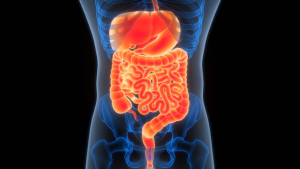

What happens when you stop eating added sugar? Reducing added sugar can support healthier eating habits and may benefit your overall health and well-being.
What Is Added Sugar?

The sweetness added to foods and drinks during cooking, processing, or packaging is known as added sugar. Unlike natural sugar, added sugar is not naturally present in foods such as fruits and dairy products.
There are two main types of sugar: natural sugar and added sugar.
Natural Sugar
Natural sugar is naturally present in foods such as fruits and dairy products. It comes from natural food sources and is not added during food processing.
Added Sugar
Added sugar is added to foods mainly to increase sweetness and improve taste during processing. Common sources include table sugar, honey, juices, soda, baking products, and candies.
Added sugar provides extra calories without providing the same nutritional benefits as foods that naturally contain nutrients and fiber. When consumed in large amounts, added sugar can be quickly digested and can cause rapid changes in blood sugar levels.
High intake of added sugar may contribute to weight gain and can negatively affect oral health. A high intake is also associated with an increased risk of conditions such as type 2 diabetes and cardiovascular disease.
Common Types of Added Sugar
Common types and sources of added sugar include:
- White table sugar, which contains sucrose
- High-fructose corn syrup
- Corn-based sweeteners
- Honey
- Molasses
- Brown sugar
- Fruit juice concentrate
- Glucose
- Simple corn-based sugars
Why Do We Crave Added Sugar?

We may crave added sugar because sweet foods can activate the brain’s reward system. When we eat sweet foods, dopamine-related pathways involved in pleasure, motivation, and reward can become active.
This reward response can encourage the brain to seek pleasurable foods again. When we are stressed or experiencing strong emotions, we may also turn to sweet foods as a source of comfort or relief.
Sugar and sweet foods can also influence brain chemicals involved in mood and reward. This can make us associate sweets with comfort and pleasure.
Over time, this association between sweet foods and comfort may contribute to repeated cravings for added sugar.
Benefits of Reducing Added Sugar

What happens when you stop eating added sugar, your body may experience several positive changes, from better blood sugar control and improved energy levels to healthier weight management and overall well-being. The following benefits explain the positive changes that may occur when you reduce added sugar from your diet.
Improved Metabolic Health
Reducing added sugar can support better metabolic health and help maintain a healthier energy balance.
Lower Risk of Chronic Diseases
Reducing excessive added sugar intake may help lower the risk of chronic diseases, including type 2 diabetes and cardiovascular disease.
Better Blood Sugar Control
Reducing added sugar can help with better blood sugar control, especially when replacing high-sugar foods and drinks with more nutritious choices.
Weight Management
Reducing added sugar can support weight management and may help prevent excessive weight gain.
Better Oral Health
Reducing added sugar can support better oral and dental health.
Healthier-Looking Skin
Reducing excessive added sugar may support healthier-looking skin.
More Stable Energy Levels
Reducing added sugar may help avoid sudden changes in energy levels associated with high-sugar foods and drinks.
Heart and Liver Health
Reducing excessive added sugar can support heart and liver health and may help reduce the risk of health problems associated with high sugar intake.
How Much Added Sugar Is Okay?
The body does not need added sugar to function properly. Eating more sugar does not mean that the body will perform its functions more efficiently.
Excessive added sugar provides extra calories, which can contribute to overweight and obesity.
According to the American Heart Association, women should limit added sugar to about 100 calories, or 6 teaspoons, per day, while men should limit it to about 150 calories, or 9 teaspoons, per day.
Foods and Drinks That May Contain Added Sugar

Added sugar can be found in many foods and drinks, including:
- Soft drinks
- Energy drinks
- Tea and coffee
- Flavored milk
- Cereal bars
- Packaged fruit drinks
- Ice cream
- Candies
How to Identify Added Sugar in Packaged Foods
To determine whether a packaged food contains added sugar and how much, check the Nutrition Facts panel on the package.
Look for Added Sugars under the total sugar information. Each gram of sugar provides about 4 calories.
For example, if a product contains 10 grams of added sugar per serving, those added sugars provide about 40 calories.
30-Day No Added Sugar Challenge

If we take a 30-day challenge to reduce or avoid added sugar, we may notice changes in our eating habits and overall well-being.
Cutting out added sugar for 30 days does not mean relying only on a restricted diet or eating large amounts of natural sugar. It also does not mean that we should eat unlimited amounts of naturally sweet fruits.
Moderation is important. Natural fruits can be included in the diet, including naturally sweet fruits such as mangoes and bananas.
Possible Benefits of Reducing Added Sugar for 30 Days
Reducing added sugar may support several aspects of health, including:
- Cardiovascular health
- Blood sugar management
- Liver health
- Digestive health
- Gut health
- Less bloating
- Better digestion
- A healthier overall diet
- Better mood and well-being
Reducing excessive added sugar may also help lower the risk of health problems associated with high sugar intake.
FAQs About Added Sugar
1. What is added sugar?
Added sugar is sugar added to foods or drinks during processing or preparation. It is different from naturally occurring sugars found in foods such as fruits and milk.
2. What happens when you stop eating added sugar?
Reducing added sugar can decrease your intake of excess calories and may support healthier eating habits and weight management.
3. Is natural sugar the same as added sugar?
No. Natural sugars occur naturally in foods such as fruits and milk, while added sugars are added during processing or preparation.
4. How much added sugar should you eat per day?
The American Heart Association recommends that most women consume no more than about 100 calories, or 6 teaspoons, of added sugar per day, while most men should aim for no more than 150 calories, or 9 teaspoons.
5. Can reducing added sugar help with weight management?
Yes. Reducing excessive added sugar can lower calorie intake and may support healthy weight management.
6. How can I identify added sugar in packaged foods?
Check the Nutrition Facts label and look for the amount of Added Sugars listed in grams and as a percentage of the Daily Value.
7. Do I need to avoid fruit when reducing added sugar?
No. Naturally occurring sugars in whole fruits are not classified as added sugars. Fruits can be part of a balanced and nutritious diet.
Conclusion
Reducing added sugar can be a simple step toward a healthier diet. Added sugars provide calories but are not the same as naturally occurring sugars found in foods such as fruits and milk. Eating too much added sugar can contribute to excess calorie intake, weight gain, obesity, and other health problems. Cutting back on sugary drinks, candies, desserts, and other highly sweetened foods can help reduce overall sugar intake.
Reading the Nutrition Facts label can also help you identify how much added sugar a packaged food contains. Choosing nutritious foods with naturally occurring sugars can help you maintain a balanced diet. The goal is not necessarily to avoid all sugar, but to reduce excessive added sugar and make healthier food choices.
References
- U.S. Food and Drug Administration (FDA). Added Sugars on the Nutrition Facts Label. FDA — Added Sugars on the Nutrition Facts Label
- Centers for Disease Control and Prevention (CDC). Get the Facts: Added Sugars. 2026. CDC — Get the Facts: Added Sugars
- World Health Organization (WHO). Guideline: Sugars Intake for Adults and Children. 2015. WHO — Guideline on Sugars Intake
- World Health Organization (WHO). Healthy Diet. WHO — Healthy Diet
- American Heart Association (AHA). Why Sugar Matters — and How to Cut Back if You’re Eating Too Much of It. American Heart Association — Added Sugar Guidance
- World Health Organization (WHO). Reducing Free Sugars Intake in Adults to Reduce the Risk of Noncommunicable Diseases. WHO — Reducing Free Sugars